

Best Way to Lose Weight: Evidence-Based Strategies That Actually Work
Key Takeaways
The only universal “best way to lose weight” is creating a consistent calorie deficit (typically 500–750 kcal/day) while protecting your health and muscle mass through adequate protein intake.
Safe, realistic weight loss is about 0.5–1 kg (1–2 lb) per week—even a modest 5% reduction in body weight meaningfully improves blood pressure, cholesterol, and blood sugar levels.
The “best” diet style (Mediterranean, low-carb, low-fat, high-protein) is simply the one you can follow for at least 6–12 months without feeling miserable or deprived.
Meal timing (larger breakfast, lighter evening meals, 12–14 hours overnight fasting) combined with at least 150 minutes of weekly physical activity significantly improves results.
Mindset, tracking habits, quality sleep, and stress management matter as much as the diet pattern itself for long term weight maintenance.
What Is the Best Way to Lose Weight – In One Sentence?
The best way to lose weight is this: create a consistent calorie deficit through mostly whole foods, enough protein, regular movement, good sleep, and habits you can maintain for years.
That’s it. No magic pills, no detoxes, no elimination of entire food groups. The weight loss industry generates billions annually by convincing you there’s a secret formula hiding behind the next fad diet or supplement. But research consistently shows that whether you choose Mediterranean, low-carb, or intermittent fasting, the difference between diet styles shrinks dramatically after 12 months. What separates those who succeed from those who regain is simple: adherence and sustainability.
This article will compare popular diets and break down the evidence behind each. But keep this in mind—the diet you can actually stick to beats any theoretically “perfect” plan you abandon after three weeks. If you have medical conditions like type 2 diabetes, kidney disease, or are pregnant, work with healthcare professionals before making major dietary changes.

Why Losing Weight Matters for Your Health
Carrying excess weight does more than affect how your clothes fit. It systematically increases your risk of high blood pressure, heart disease, stroke, type 2 diabetes, certain cancers, and sleep apnea. Since 2016, more than 650 million adults worldwide have been living with obesity—and the health consequences extend far beyond the scale.
Here’s what makes this worth your attention: even losing 5–10% of your body weight reduces cardiovascular risk factors and improves metabolic markers. For someone weighing 90 kg, that’s just 4.5–9 kg. You don’t need to reach some ideal body weight to see real health benefits.
Key health improvements from modest weight loss include:
Lower blood pressure and reduced strain on your heart
Better blood sugar control and improved insulin sensitivity
Lower LDL cholesterol and triglyceride levels
Reduced joint pain and improved mobility
Better sleep quality and reduced sleep apnea symptoms
The psychological benefits matter too. Most adults report more energy, better mood, and improved confidence after losing weight. But a word of caution—don’t tie your self-worth entirely to the number on the scale. Your weight loss journey is about health, not about achieving some arbitrary number.
Core Principle: Calorie Deficit Without Damaging Your Health
Every successful weight loss plan works through the same mechanism: energy balance. You lose body fat when you consistently burn more calories than you consume. Whether you follow a low-carb diet, count calories, or practice intermittent fasting, the underlying engine is the same—consuming fewer calories than your body needs.
The math is straightforward. To lose approximately 0.5 kg (1 lb) per week, you need a daily deficit of about 500 kcal. For 1 kg per week, aim for a 750–1,000 kcal deficit. Research shows that low-calorie diets providing 800–1,500 kcal daily can reduce body weight by an average of 8% over 3–12 months while also decreasing abdominal fat.
Here’s how to estimate your target:
|
Current Weight |
Estimated Maintenance Calories |
Target for 0.5 kg/week Loss |
|---|---|---|
|
70 kg (154 lb) |
~2,000–2,200 kcal/day |
~1,500–1,700 kcal/day |
|
90 kg (198 lb) |
~2,400–2,600 kcal/day |
~1,900–2,100 kcal/day |
Avoid the trap of extreme restriction. Very low-calorie diets under 800 kcal daily can accelerate initial weight loss, but they risk muscle loss, fatigue, nutrient deficiencies, and should only be used short-term under medical supervision.
Protein intake becomes critical during calorie restriction. Aim for 1.2–1.6 g of protein per kilogram of body weight daily to protect your muscle mass. For a 75 kg person, that’s roughly 90–120 g of protein spread across your meals.
Practical tracking helps you lose weight more effectively. Use food-tracking apps, a photo food diary, or a simple written journal to understand your current food intake. Most people significantly underestimate how much they eat—seeing the real numbers helps identify where to cut 300–600 kcal without feeling deprived.
Best Evidence-Based Diet Patterns for Weight Loss
Here’s what research consistently shows: many diet patterns can work when they reduce total calories. After 12 months, differences between diet styles tend to shrink dramatically. The winning strategy isn’t finding the “perfect” diet—it’s finding one that creates a sustainable calorie deficit while keeping you satisfied.
This section breaks down well-studied patterns, explaining how each works, who it suits best, and the major pros and cons for weight loss and overall health.
Mediterranean-Style Diet
The Mediterranean diet emphasizes vegetables, fruits, whole grains, legumes, nuts, extra-virgin olive oil, fish, and poultry, with red meat and sweets limited. It’s consistently ranked among the healthiest eating patterns in the world.
Long-term studies demonstrate this pattern supports weight loss, lowers cardiovascular risk factors, and improves blood sugar and cholesterol levels. The Spanish PREDIMED trial showed significant reductions in heart disease among participants following this approach.
Why it works for weight management:
Flexible and enjoyable—you’re not eliminating entire food groups
Nutrient-dense foods keep you full on fewer calories
Healthy fats from olive oil and nuts improve satiety
Easy to adapt to different cultures and budgets
Practical tips: Fill half your plate with vegetables, measure olive oil with a spoon rather than pouring freely, prioritize beans and lentils as protein sources, and limit refined bread and pastries. You can adapt this plan using local seasonal produce and affordable canned or frozen fish.
Low-Carbohydrate and Ketogenic Diets
Low-carb diets typically provide less than 40% of calories from carbohydrates. Very low-carb or ketogenic plans limit carbs to under 50 g daily to trigger ketosis—a metabolic state where your body burns fat for fuel.
Evidence shows low-carb diets often produce faster initial weight loss in the first 3–6 months, largely due to water loss and reduced appetite. However, when calories are matched, differences versus other diets shrink by 12 months. Research on high-protein, low-carbohydrate approaches shows they can spare fat-free mass and improve metabolic markers like triglycerides and insulin levels.
Potential benefits:
Strong appetite reduction for many people
Better short-term blood sugar and triglyceride improvements
Simple rule to follow: “no bread, sweets, sugary drinks”
Potential downsides:
Constipation from reduced fiber intake
Bad breath during ketosis
Difficulty including fruit and whole grains
Social limitations at restaurants and gatherings
Concerns about long-term LDL cholesterol in some individuals
Strict ketogenic diets should generally be avoided during pregnancy, with type 1 diabetes, severe kidney disease, or in frail older adults unless supervised by a specialist.
Low-Fat Diets
Low-fat diets keep fat intake to approximately 20–30% of total calories, reducing fatty meats, butter, cream, fried foods, and pastries. This was the dominant weight loss approach for decades.
Meta-analyses show low-fat diets produce weight loss similar to low-carb diets when total calories and adherence are similar. They can effectively lower LDL cholesterol when saturated fats are replaced with fiber-rich foods.
Advantages:
Easy to understand and follow
Aligns with traditional dietary advice
Can improve cholesterol profiles
Watch out for: The tendency to swap fats for refined starches and added sugar. Replacing butter with low-fat cookies or sugary drinks defeats the purpose entirely.
Focus on “smart low-fat”: plenty of vegetables, whole grains, beans, and modest amounts of healthy fats like olive oil and nuts to keep meals satisfying.
High-Protein Diets
High-protein approaches for weight loss typically provide 1.2–1.6 g protein per kilogram of body weight daily—roughly 25–30% of total calories for most adults. For a 75 kg person, this means about 90–120 g of protein distributed across meals.
Research demonstrates that higher protein intake reduces hunger, maintains or builds muscle mass during calorie restriction, and slightly increases energy expenditure through diet-induced thermogenesis.
Quality protein sources:
Eggs, poultry, and fish
Greek yogurt and dairy products
Legumes, tofu, and tempeh
Lean red meat in moderation
Plant-based protein powders if needed
For people with existing kidney disease, very high protein intake may need limitation and supervision by healthcare professionals.
Pair high-protein strategies with plenty of vegetables and whole grains. Avoid turning your diet plan into an all-meat approach loaded with processed foods and saturated fats.
Intermittent Fasting and Meal Timing Approaches
Intermittent fasting includes several patterns: 16:8 time-restricted eating (eating within an 8-hour window), the 5:2 plan (two very low-calorie days weekly), and alternate-day fasting.
Most studies show similar weight loss compared to daily calorie restriction when total weekly calories match. However, many people find the structure easier to follow than constant calorie counting.
Evidence suggests eating more calories earlier in the day—a larger breakfast and smaller dinner—combined with a 12–14 hour overnight fast improves blood sugar and may aid weight management. Conversely, skipping breakfast and eating late at night (after 21:00–22:00) is associated with higher obesity risk in observational studies.
Caution: People on insulin or sulfonylureas, pregnant women, and those with eating disorder history should avoid or approach fasting protocols carefully without medical supervision.
Other Popular Patterns (Paleo, Vegetarian, DASH, Nordic, Portfolio)
Several other eating patterns can help you lose weight when they create a calorie deficit:
|
Diet Pattern |
Core Focus |
Specific Strengths |
|---|---|---|
|
Paleo |
Lean meat, fish, vegetables, nuts; no grains or dairy |
Eliminates processed foods by default |
|
Vegetarian/Vegan |
Plant-based foods; no or limited animal products |
Strong for cholesterol and cardiometabolic risk |
|
DASH |
Blood pressure control; reduced sodium, increased potassium |
Proven to lower blood pressure |
|
Nordic |
Whole grains, legumes, fatty fish, berries |
High fiber and omega-3 content |
|
Portfolio |
Cholesterol-lowering plant foods |
Targets LDL reduction specifically |
|
All these patterns work when they emphasize minimally processed foods, fiber, and adequate protein while creating a calorie deficit. |
|
|
Challenges exist: some patterns have higher food costs, vegan diets require B12 and omega-3 planning, and certain Paleo versions can be high in saturated fats. Pick a pattern matching your ethical beliefs, cultural preferences, and budget—then adjust portions to hit your target calorie range.
Building a Practical Eating Plan You Can Stick To
The best way to lose weight is turning broad diet rules into specific daily habits that require minimal willpower. Knowing “eat more vegetables” doesn’t help when you’re staring into an empty refrigerator at 7 PM.
Sample daily structure (~1,500–1,800 kcal):
Most women losing weight can aim for approximately 1,400–1,800 kcal daily; most men, 1,800–2,200 kcal. Individual needs vary based on height, activity level, and metabolic factors.
Example day (Mediterranean-style):
Breakfast: Greek yogurt with mixed berries, a handful of nuts, and a drizzle of honey
Lunch: Lentil soup with a large mixed salad dressed in olive oil and lemon
Afternoon snack: Apple slices with almond butter
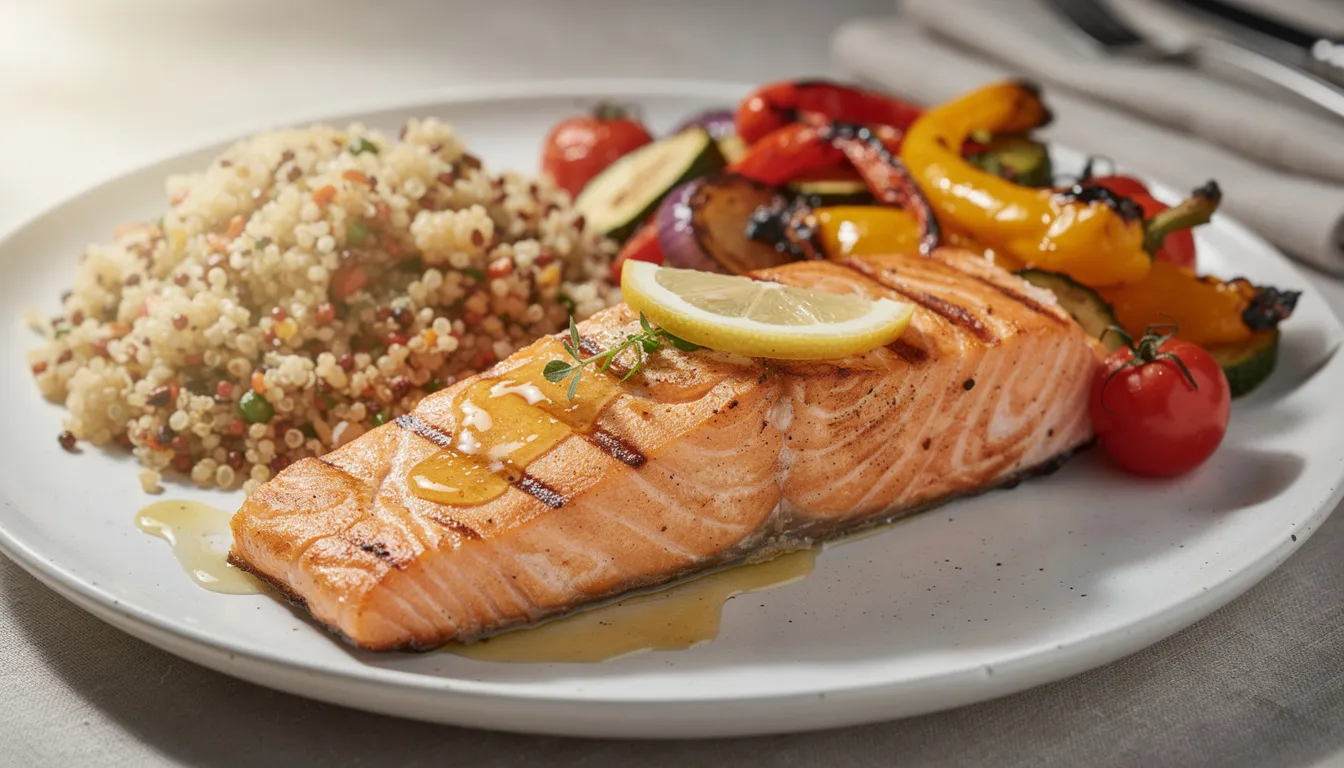
Dinner: Baked salmon, quinoa, and roasted vegetables (zucchini, peppers, onions)
Each meal includes a protein source, high-fiber carbohydrates, and healthy fats—the combination that keeps hunger controlled for hours.
Planning strategies that work:
Weekly menu planning eliminates daily decision fatigue
Shopping lists prevent impulse purchases of processed foods
Prep vegetables and proteins on Sunday for easy weeknight assembly
Use smaller plates to naturally control portions
Pre-portion snacks into containers to avoid eating from the bag
Physical Activity: Accelerating Fat Loss and Protecting Muscle
Diet changes drive the majority of weight loss, but exercise makes it dramatically easier to maintain that loss, protects muscle mass, and improves your health regardless of what the scale says.
Research from 23 randomized controlled trials shows that combining reduced-calorie diets with exercise produces greater weight loss, abdominal fat reduction, and cardiorespiratory fitness gains than either approach alone. A dose-response meta-analysis of 116 studies involving 6,880 overweight or obese adults revealed linear decreases in body weight with increasing exercise duration up to 300 minutes weekly.
Evidence-based targets:
Aerobic activity: 150–300 minutes per week of moderate-intensity exercise (brisk walking, cycling, swimming)
Strength training: 2 sessions per week targeting all major muscle groups
Making 150 minutes realistic:
|
Option |
Weekly Schedule |
|---|---|
|
Option A |
30 minutes brisk walking, 5 days/week |
|
Option B |
50 minutes cycling, 3 days/week |
|
Option C |
20 minutes walking + 10 minutes strength, 5 days/week |
|
Strength training matters more than many people realize. Resistance exercises with bodyweight, bands, or weights 2–3 times weekly preserves lean mass while you lose body fat—keeping your metabolism from dropping as much as it otherwise would. |
|
Simple daily movement upgrades:
Take stairs instead of elevators
Add 10-minute walking breaks during your workday
Aim for 7,000–10,000 steps daily using a pedometer or phone tracker
Park farther from entrances
Stand or pace during phone calls

Mindset, Motivation, and Tracking Progress
Losing weight isn’t just about information—it’s about behavior change, motivation, and coping with setbacks across months and years. You likely already know vegetables are healthier than cookies. The challenge is consistently acting on that knowledge.
Define your “why” and make it personal. “Playing actively with my grandchildren,” “reducing my risk of a second heart attack,” or “hiking again without knee pain” are far more motivating than “lose 10 kg.” Write your reason where you’ll see it daily.
Set specific, measurable goals:
Instead of “exercise more,” commit to “walk 20 minutes after dinner 4 days per week.” Instead of “eat better,” aim for “include vegetables at lunch and dinner every day.”
Simple tracking tools:
Weekly weigh-ins at the same time of day (after waking, before eating)
Monthly waist measurements
Food logs 3–7 days per week (apps, photos, or written)
Progress photos every 4–6 weeks
Fitness benchmarks (steps, pushups, plank time)
When setbacks happen—and they will:
Plateaus, holidays, stressful periods, and slip-ups are normal parts of any weight loss journey. Instead of abandoning your plan, review what changed: sleep quality, step count, restaurant meals, portion sizes. Adjust and continue. The goal is long term weight management, not perfection.
Sleep, Stress, and Other Hidden Factors That Affect Weight
Insufficient sleep and chronic stress shift hormones like ghrelin, leptin, and cortisol in ways that increase appetite and cravings—especially for sugary and fatty foods. You can follow a perfect diet plan, but poor sleep can undermine your weight loss efforts.
Sleep guidance:
Most adults need 7–9 hours of quality sleep per night with consistent bed and wake times, including weekends.
Practical sleep tips:
Limit screens 1 hour before bed
Keep your bedroom cool (18–20°C) and dark
Reduce caffeine after midday
Avoid large late-night meals
Establish a consistent pre-bed routine
Stress management strategies:
Chronic stress triggers emotional eating and can make your daily routine feel overwhelming. Evidence-based approaches include:
Daily walks, even just 10–15 minutes
Breathing exercises (4-7-8 breathing, box breathing)
Short mindfulness practices (5–10 minutes)
Journaling to process emotions
Yoga or stretching routines
Certain factors make weight loss more challenging: some medications (certain antidepressants, antipsychotics, steroids), hormonal changes like menopause, and health conditions such as hypothyroidism. If you suspect these apply to you, work with healthcare professionals to address underlying causes.

When to Consider Medical or Professional Help
Some people need more than lifestyle changes alone. This is especially true for those with a BMI ≥30, or ≥27 with weight-related conditions like type 2 diabetes, high blood pressure, or sleep apnea.
When to see a healthcare professional:
Difficulty losing weight after 6–12 months of serious effort
Suspicion of medical causes (thyroid issues, PCOS, Cushing’s)
Medication side effects affecting weight
Emotional eating, bingeing, or disordered eating patterns
Regaining weight repeatedly after initial success
Evidence-based options beyond lifestyle changes:
Research supports several interventions. Studies show behavior therapy—including self-monitoring, stimulus control, and cognitive restructuring—produces 10% weight loss over 4 months to 1 year. Working with a registered dietitian provides personalized dietary advice. Cognitive-behavioral therapy addresses mental health aspects like emotional eating.
Regarding pharmacotherapy, 44 randomized controlled trials confirm that weight loss medications (when combined with lifestyle modifications) produce additional losses over 6–12 months. Newer GLP-1 receptor agonists can support 10–15% weight loss on average when prescribed and monitored by clinicians.
Bariatric surgery (gastric bypass, sleeve gastrectomy) is typically reserved for higher-BMI individuals after lifestyle attempts have failed. These procedures can produce dramatic results but require lifelong nutrition and lifestyle support.
Weight Loss Supplements: What You Should Know
In addition to lifestyle changes, some people consider weight loss supplements to support their efforts. While no supplement replaces a healthy diet and regular physical activity, certain ingredients have shown promise in scientific studies for aiding weight loss.
Commonly studied ingredients include:
Green tea extract: Contains catechins and caffeine that may boost metabolism and fat oxidation.
Garcinia cambogia: Contains hydroxycitric acid, which might reduce appetite and inhibit fat production.
Conjugated linoleic acid (CLA): May help reduce body fat and increase lean muscle mass.
Fiber supplements (e.g., glucomannan): Can promote satiety and reduce calorie intake.
Caffeine: A stimulant that can increase energy expenditure and fat burning.
Important considerations:
Effectiveness varies widely among individuals and products.
Supplements are not regulated as strictly as medications; quality and purity can differ.
Some supplements may interact with medications or cause side effects.
Always consult a healthcare professional before starting any weight loss supplement, especially if you have medical conditions like kidney failure or are taking other medications.
At Truva Nutra, we focus on high-quality, research-backed supplements to support your weight loss journey safely and effectively. Remember, supplements should complement—not replace—a balanced diet and healthy lifestyle.
Putting It All Together: A Sustainable Plan for the Next 12 Months
The best way to lose weight combines several elements working together: calorie deficit as the engine, a whole-food diet pattern as the framework, physical activity as the accelerator, and sleep, stress management, and mindset as the stabilizers.
No single element works optimally in isolation. Combined lifestyle therapy—incorporating low-calorie diets, increased activity, and behavior modification—represents the gold standard for weight loss and long term weight maintenance.
Your 3-step blueprint:
1. Choose a diet style you enjoy (Mediterranean, lower-carb, vegetarian, or another evidence-based pattern)
2. Create a 500–750 kcal/day deficit with adequate protein (1.2–1.6 g/kg) and plenty of fiber from vegetables and whole grains
3. Add 150+ minutes weekly of activity plus aim for 7–9 hours of quality sleep
Commit to an initial 12-week period with weekly check-ins on weight, habits, and how you feel. Adjust calories or exercise gradually as needed. The real mark of success is where your weight and healthy habits are in 12–24 months—not in 7 days.
Here’s the truth: without sustained intervention, most people regain weight. This isn’t personal failure—it’s biology. Your body adapts through metabolic slowdown and increased hunger signals. Success comes from accepting that maintaining a healthy weight requires ongoing attention, not a one-time fix.
Start with one or two specific changes today. Swap sugary drinks for water. Add a 15-minute walk after dinner. Build from there. Every healthy lifestyle begins with a single step.
FAQ
What is the fastest safe rate of weight loss?
Most health guidelines recommend losing about 0.5–1 kg (1–2 lb) per week. Faster loss typically represents water and muscle rather than body fat. Very low-calorie diets under 800 kcal daily can accelerate initial weight loss (15–30 kg over 12–20 weeks in studies), but these should only be used short-term under medical supervision due to risks including nutrient deficiencies and gallstones. For sustainable results, patience beats speed.
Do I have to count calories to lose weight?
Calorie counting is helpful but not mandatory. Alternatives that create reliable calorie reduction include structured meal plans, portion guides (using your hand as a measuring tool—palm-sized protein, fist-sized carbs), or time-restricted eating. Research shows meal replacements within active interventions also improve outcomes by standardizing portions. The method matters less than consistently eating fewer calories than you burn.
Is it possible to lose weight without exercise?
Yes—diet alone can produce significant weight loss. However, research from 23 randomized trials shows combining diet with exercise produces greater losses, more abdominal fat reduction, and better cardiorespiratory fitness than diet alone. Exercise also preserves muscle mass, improves mental health, and makes maintaining weight loss substantially easier over years. Think of movement as an accelerator and stabilizer, not optional.
Why did my weight loss stop after a few months?
Plateaus are normal and expected. As you lose weight, your calorie needs decrease—your smaller body requires less energy. Water balance fluctuations and menstrual cycles also affect the scale independently of fat loss. When weight stalls, reassess your food intake (portions often creep up), step count, sleep quality, and stress levels. Adding strength training can help maintain muscle and metabolic rate. Don’t interpret a plateau as failure—it’s a signal to recalibrate.
Are weight-loss supplements like fat burners worth it?
Most over-the-counter “fat burners” have minimal proven benefit and may carry health risks. Evidence strongly favors focusing on diet, movement, and sleep instead. If lifestyle changes aren’t producing results after 6–12 months of serious effort, evidence-based medical treatments—prescribed and monitored by healthcare professionals—are far more effective than supplements. Save your money and invest it in whole foods, comfortable walking shoes, or a consultation with a registered dietitian.