

Dietary Supplement
What Is a Dietary Supplement?
Under U.S. law, a dietary supplement is a product intended to supplement the diet that contains one or more dietary ingredients—such as vitamins, minerals, herbs or botanicals, amino acids, or other substances—taken by mouth in forms including tablets, capsules, powders, liquids, or gummies. This definition, established by the Dietary Supplement Health and Education Act of 1994, creates a distinct regulatory category that has shaped how millions of Americans approach their health.
Dietary supplements are categorized as foods under the Federal Food, Drug, and Cosmetic Act (often called the food drug and cosmetic act or drug and cosmetic act) and DSHEA, not as drug products. This classification means that, unlike prescription drugs, most finished dietary supplement products do not require premarket fda approval before entering interstate commerce. The burden falls on dietary supplement companies to ensure their dietary supplement products are safe and properly labeled before sale.
Common Supplements in the U.S. Market
The dietary supplement industry has grown into a massive sector, with Americans spending over $50 billion annually on these products. Here are some of the most commonly used supplements in 2024:
|
Category |
Examples |
Common Uses |
|---|---|---|
|
Vitamins |
Vitamin D3, Vitamin B12, Vitamin C |
Bone health, energy, immune support |
|
Minerals |
Calcium, Iron, Magnesium, Zinc |
Bone density, blood health, muscle function |
|
Omega-3 Fatty Acids |
Fish oil, Algae oil |
Heart health, brain function |
|
Probiotics |
Lactobacillus, Bifidobacterium strains |
Digestive health, gut microbiome |
|
Botanicals |
Turmeric, Echinacea, Garlic, Ginseng |
Inflammation, immune support |
|
Specialty |
Glucosamine, Collagen, Melatonin |
Joint comfort, skin health, sleep |
|
Sports Nutrition |
Protein powders, Creatine |
Muscle recovery, athletic performance |
Who Uses Supplements and Why
Research from the National Institutes of Health indicates that approximately 52% of U.S. adults report using at least one dietary supplement. Usage patterns vary significantly by age and life stage:
Adults over 60: Approximately 71% use multivitamins, calcium, and vitamin D for bone health and overall health maintenance
Younger adults (18-34): More likely to use sports nutrition products, protein powders, and wellness-focused supplements
Children: Often take flavored multivitamins or specific nutrients like vitamin D at their pediatrician’s recommendation
Pregnant individuals: Frequently use prenatal vitamins containing folic acid to reduce neural tube defect risk
While supplements are consumer products available without prescription, institutional investors like Granite Park Capital monitor regulatory developments that can affect health-related spending and long-term household budgets in the affordable and workforce housing communities we serve. When residents face financial pressure from healthcare costs—including supplement purchases—it can influence their overall financial stability.
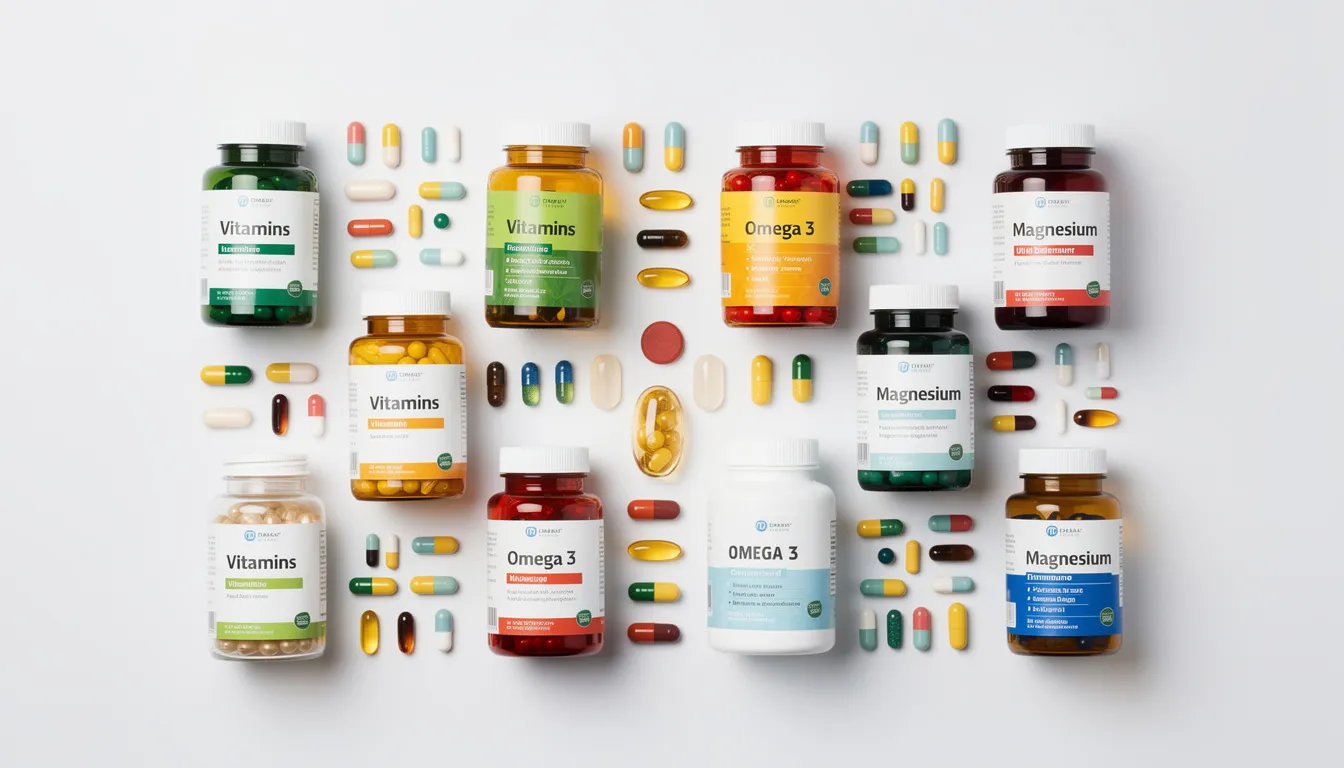
The Dietary Supplement Label
Every dietary supplement sold in the United States must display a “Supplement Facts” panel, which is legally distinct from the “Nutrition Facts” panel found on conventional foods. Understanding how to read dietary supplement labels is essential for making informed choices about what you put in your body.
What Appears on the Supplement Facts Panel
The Supplement Facts panel provides structured nutrition information that helps consumers understand exactly what they’re taking:
Serving size: The recommended amount per dose (e.g., “2 capsules” or “1 tablespoon”)
Servings per container: How many doses the package contains
Amount per serving: The quantity of each dietary ingredient (e.g., “500 mg Vitamin C”)
% Daily Value (DV): The percentage of the recommended daily intake, where established by federal regulations
Dietary ingredients list: Each active ingredient, including vitamins, minerals, herbs, amino acids, or proprietary blends
Other Ingredients and Non-Active Components
Beyond the active ingredients, dietary supplement labels must list “other ingredients”—the non-active components that make up the product’s form. These include:
- Fillers (microcrystalline cellulose, rice flour)
- Binders (starch, gelatin)
- Coatings (hydroxypropyl methylcellulose for capsule shells)
- Flavorings and sweeteners (natural flavors, stevia)
- Color additives
While these components are generally required to be listed, their exact quantities typically are not disclosed. For individuals with allergies or sensitivities, reviewing this section carefully is essential.
Serving Size Guidance
Manufacturers suggest a serving size based on their formulation, but this recommendation isn’t personalized medical advice. Health care providers may recommend different dosing based on individual needs, and consumers should not exceed labeled directions without professional guidance. Taking more doesn’t necessarily mean better results—and in some cases, it can cause harm.
Required Statements and Disclaimers
Federal law mandates specific labeling requirements:
- The product’s label must identify it as a “dietary supplement”
- Manufacturer or distributor contact information must be provided
- When making structure function claims (such as “calcium builds strong bones” or “fiber maintains bowel regularity”), the label must include the DSHEA disclaimer:
“This statement has not been evaluated by the Food and Drug Administration. This product is not intended to diagnose, treat, cure, or prevent any disease.”
This disclaimer exists because, unlike drug products that require proof of efficacy through clinical trials, structure function claims on supplements don’t require fda approval—only notification to the agency.
Comparing Label Types
When evaluating a multivitamin versus a botanical supplement label, look for these differences:
Multivitamins: Typically list specific amounts for each vitamin and mineral with clear % Daily Values
Botanical supplements: May use “proprietary blends” that list ingredients but not individual amounts, making it harder to assess dosing
Effectiveness of Dietary Supplements
The scientific evidence supporting dietary supplement use varies enormously—from robust clinical data for certain nutrients to limited or conflicting research for others. Critically, the fda regulates dietary supplements for safety and labeling but does not evaluate them for effectiveness before they reach the market.
When Supplements Can Be Effective
Supplements work best when filling genuine nutrient gaps that dietary intake cannot address:
Vitamin D: For individuals with limited sun exposure—approximately 40-50% of U.S. adults are deficient—supplementation can improve bone density and overall health
Folic acid: For women who may become pregnant, 400-800 mcg daily significantly reduces neural tube defect risk, which is why this is often recommended even before conception
Iron: Under medical supervision, iron supplements can correct diagnosed iron-deficiency anemia
Vitamin B12: Essential for vegans and older adults who may have absorption issues
What the Research Shows
Randomized controlled trials and large observational studies provide the scientific body of knowledge informing supplement guidance:
Omega-3 fatty acids: Meta-analyses show fish oil can reduce triglyceride levels by 20-50% in people with elevated levels
Calcium plus vitamin D: Evidence supports their role in maintaining bone density, particularly in postmenopausal women
Probiotics: Certain strains show benefit for IBS symptoms in 50-70% of users, though results vary by formulation
Multivitamins: The Physicians’ Health Study II found an 8% reduction in cancer incidence but no cardiovascular benefit
Results often depend on dose, formulation, and the population studied. What works in one clinical trial may not translate to another group.
What Supplements Cannot Do
No supplement can compensate for unhealthy habits. Taking dietary supplements while maintaining a poor diet, smoking, or avoiding physical activity will not improve health outcomes meaningfully. Supplements should never be used to delay or replace medically indicated treatment for conditions such as hypertension, diabetes, heart disease, or depression.
For evidence-based guidance, consumers can consult:
- NIH Office of Dietary Supplements fact sheets
- 2020-2025 Dietary Guidelines for Americans
- PubMed and authoritative scientific body publications
From an investor viewpoint, broad public misunderstandings about supplement effectiveness can influence household healthcare spending patterns. This indirectly affects disposable income in lower-income renter populations—a consideration relevant to Granite Park Capital’s affordable housing investments where resident financial stability directly impacts rent payment consistency.

Safety and Risk
“Natural” does not automatically mean “safe.” Many supplements contain pharmacologically active ingredients that can interact with medications, cause side effects at high doses, or pose risks for certain populations. Understanding these risks is essential before taking dietary supplements.
Common Categories of Risk
Several supplement categories carry heightened safety concerns:
Fat-soluble vitamins (A, D, E, K): Unlike water-soluble vitamins that are excreted when excess is consumed, these accumulate in body tissues and can cause toxicity
Mineral megadoses: High-dose iron can be dangerous, especially in children; excessive zinc can impair copper absorption and immune function
Stimulant-containing products: Weight-loss and sports supplements with stimulants have been linked to cardiovascular events
Concentrated herbal extracts: Kava, green tea extract (EGCG at 700mg+ daily), and yohimbine have been associated with liver toxicity and other serious effects
Drug-Supplement Interactions
Perhaps the most underappreciated risk involves how supplement ingredients interact with prescription drugs:
|
Supplement |
Drug Affected |
Interaction |
|---|---|---|
|
St. John’s wort |
Antidepressants, birth control pills, immunosuppressants |
Reduces drug effectiveness by inducing CYP3A4 enzymes |
|
High-dose Vitamin K |
Warfarin (blood thinner) |
Counteracts anticoagulant effect |
|
Ginkgo biloba |
Anticoagulants, antiplatelet drugs |
Increases bleeding risk |
|
Fish oil (high dose) |
Blood thinners |
Potentially increases bleeding risk |
|
Calcium |
Levothyroxine (thyroid medication) |
Reduces drug absorption |
These interactions demonstrate why full disclosure to health care providers is essential.
Vulnerable Populations
Certain groups face elevated risks and should only use supplements under guidance from qualified health professionals:
- Pregnant and breastfeeding individuals
- Children
- Older adults taking multiple medications (polypharmacy affects 50% of this population)
- People with chronic liver or kidney disease
Perioperative Concerns
Surgeons routinely ask patients to stop certain supplements 1-2 weeks before operations due to bleeding risks or anesthesia interactions. Products commonly discontinued include:
- Garlic supplements
- Ginseng
- Ginkgo biloba
- High-dose vitamin E
- Fish oil
Reporting Adverse Events
If you experience a negative reaction to a supplement:
-
Stop using the product immediately
-
Seek urgent medical care if symptoms are severe
-
Report to fda monitors through MedWatch or the Safety Reporting Portal at FDA.gov
-
Save the product packaging and any remaining contents for investigation
The fda determines appropriate action based on these reports, which is why consumer reporting is critical for public health protection.
Just as regulators monitor supplement harms after products reach the market, firms like Granite Park Capital assess and manage health and safety risks in the residential communities we own. Preventable health crises can destabilize households and operating performance—a parallel that underscores why proactive safety management matters across industries.
Quality, Manufacturing Standards, and Third-Party Testing
Product quality varies significantly across the dietary supplement industry. While the fda regulations establish baseline manufacturing requirements, the agency does not certify every batch or brand. This creates a landscape where consumer vigilance and third-party verification become essential.
FDA’s Good Manufacturing Practices
Since 2007, dietary supplement manufacturers must comply with current good manufacturing practices (cGMPs). These regulations require:
- Verifying ingredient identity through testing
- Preventing contamination with proper facility controls
- Maintaining accurate production and distribution records
- Ensuring products contain what the label claims at stated strength and purity
- Properly manufactured products that meet quality specifications
cGMPs establish the floor for quality—not the ceiling. Reputable companies often exceed these requirements.
FDA’s Inspection and Enforcement Role
The fda’s statutory authority includes several enforcement mechanisms for products in interstate commerce:
Facility inspections: Periodic reviews of manufacturing operations and records
Warning Letters: Formal notifications of violations requiring corrective action
Product seizures: Removal of adulterated or misbranded products from the market
Injunctions: Court orders preventing continued violations
Recalls: Voluntary recall requests or mandatory actions under certain circumstances when products pose significant public health risk
FDA logs over 23,000 adverse event reports annually through MedWatch, with approximately 20% related to contamination issues.
Third-Party Certification Programs
Independent certification provides additional assurance beyond fda regulations. Look for these seals:
|
Program |
What It Tests |
Best For |
|---|---|---|
|
USP Verified |
Ingredient identity, potency, purity, dissolution |
General consumers seeking quality assurance |
|
NSF International |
Manufacturing processes, contaminants, label accuracy |
Athletes and those concerned about banned substances |
|
ConsumerLab |
Independent testing of retail products |
Comparative shopping |
|
Informed Choice/Informed Sport |
Banned substance screening |
Competitive athletes |
However, these seals do not guarantee safety or effectiveness—only that the product meets specific quality criteria.
Real-World Quality Problems
Enforcement actions reveal ongoing issues with such products:
Hidden prescription drug ingredients: Sexual enhancement and weight-loss supplements have been found containing undeclared sildenafil, sibutramine, or other drug products
Contamination: The 2018 kratom Salmonella outbreak sickened 199 people across the country
Sub-potency: ConsumerLab testing routinely finds 10-20% of products contain less than claimed amounts
These examples illustrate why consumers shouldn’t assume all dietary supplement products meet the same standards.
The Parallel to Vertically Integrated Real Estate
Just as reputable supplement brands invest in robust supply-chain oversight, Granite Park Capital invests in closely managing our affordable housing portfolio—from acquisition through renovations and ongoing operations. Our vertical integration ensures compliance with HUD, LIHTC, and Section 8 requirements while protecting both residents and investors. Quality control isn’t just a manufacturing concept; it’s foundational to any asset class where stakeholder wellbeing depends on consistent standards.

Talking with Health Care Providers About Supplements
Full disclosure of supplement use is essential for safe, coordinated care—particularly for people taking prescription medications, managing chronic conditions, or planning medical procedures. Yet research suggests many patients don’t mention supplements unless directly asked.
Maintain a Current List
Before every medical visit, prepare an up-to-date list including:
- All dietary supplements (brand name, dose, frequency)
- Over-the-counter medications
- Prescription drugs
- Reason for use and when you started
Bring the actual bottles if possible, as product’s label information helps providers assess potential interactions.
Questions to Ask Your Provider
When considering a new supplement, discuss:
- Is this supplement necessary for my situation?
- What are the potential benefits based on scientific evidence?
- What are the known risks and possible interactions with my current medications?
- What’s the appropriate dose and duration?
- What warning signs should trigger stopping the product?
Who Can Help
Multiple health care providers can contribute to the conversation:
Primary care physicians: Can assess overall appropriateness and interactions
Pharmacists: Often most knowledgeable about drug-supplement interactions
Registered dietitians: Can evaluate whether dietary changes might address nutrient gaps
Specialists: May have specific recommendations based on your condition
Many health systems now record supplement use in electronic medical records alongside medications, improving care coordination.
Clear communication about health behaviors—including diet, supplement use, and preventive care—helps maintain long-term health, which is directly linked to financial stability. For residents in affordable and workforce housing, this stability supports their ability to meet rent obligations and remain housed.
Federal Regulation of Dietary Supplements
Multiple federal agencies share responsibility for supplement oversight, creating a regulatory framework that differs substantially from pharmaceutical regulation. Understanding this structure helps consumers and investors alike appreciate both the protections in place and their limitations.
The cosmetic act and FD&C Act, as amended by the health and education act (DSHEA), define dietary supplements as a category of food. This places primary responsibility for safety and truthful labeling on manufacturers, while FDA takes action against adulterated or misbranded products after they enter the market.
Key Regulatory Principles
- Companies do not need premarket fda approval for most supplements
- Manufacturers must ensure products are safe and properly manufactured before sale
- Labels cannot make unlawful disease treatment or false claims
- Health claims require significant scientific agreement or qualified statements
- The federal government can act against products posing safety risks
FDA’s Regulatory Tools
The fda monitors the marketplace using several mechanisms:
Post-market surveillance: Tracking adverse events and emerging safety signals
Facility inspections: Verifying cGMP compliance
Laboratory testing: Analyzing suspect products for contamination or adulteration
Warning Letters: Formal notifications of regulatory violations
Import alerts: Blocking entry of non-compliant products from other countries
Seizures and recalls: Removing dangerous products from commerce
FTC’s Advertising Oversight
The Federal Trade Commission polices advertising for supplements across TV, radio, social media, and influencer promotions. Health claims, performance claims, and safety claims must be:
- Truthful and not misleading
- Substantiated by competent and reliable scientific evidence
- Free from deceptive implications
FTC enforcement includes warning letters, consent decrees, monetary penalties, and requirements to correct misleading impressions. The 1971 FDA-FTC Memorandum of Understanding generally gives FTC primary jurisdiction over advertising, while FDA oversees labeling and certain limited advertising categories.
Online sales have blurred lines between labeling and advertising, leading FDA and FTC to coordinate investigations—especially where illegal disease claims or undisclosed risks appear on websites, social media, or in educational materials that function as product promotion.
This regulatory framework contributes to macroeconomic stability and regulatory confidence—similar in spirit to the HUD, LIHTC, and Section 8 frameworks that Granite Park Capital relies on when underwriting affordable housing assets nationwide. Predictable oversight reduces policy uncertainty around long-duration assets.

National Institutes of Health (NIH) and Office of Dietary Supplements (ODS)
NIH does not regulate the supplement market, but it funds and disseminates research that supports evidence-based guidance for consumers, clinicians, and policymakers.
The Office of Dietary Supplements (ODS) serves as the primary resource for objective, science-based information on supplement ingredients. ODS publishes:
- Consumer fact sheets in plain language
- Professional monographs with detailed scientific summaries
- Research priorities and funding opportunities
- Dietary supplement databases
NIH supports clinical trials and observational studies evaluating supplement benefits and harms, making results accessible through PubMed and ClinicalTrials.gov. These resources represent an authoritative statement from qualified experts on what current science does and doesn’t support.
Clinicians and policymakers rely on NIH research to shape recommendations, which in turn influence consumer behavior and spending priorities—including in households living in affordable and workforce housing communities.
U.S. Food and Drug Administration (FDA)
FDA’s Center for Food Safety and Applied Nutrition (CFSAN) oversees dietary supplements as part of broader food safety responsibilities. The agency’s regulatory focus includes:
- Ensuring products are not adulterated (contaminated or containing unsafe ingredients)
- Preventing misbranding (false or misleading labels, omitted required information)
- Enforcing cGMPs
- Monitoring post-market safety through adverse event reports
FDA maintains online tools including safety alerts, recall databases, and published warning letters that consumers and healthcare providers can search by product or ingredient name at fda.gov.
Proposed reforms, such as mandatory product listing, have been discussed in Congress to improve FDA’s ability to know what supplements are on the market at any given time—currently a significant gap in the regulatory framework.
Federal Trade Commission (FTC)
FTC focuses specifically on advertising and marketing practices, including digital marketing and influencer content that promotes supplements.
The agency enforces truth-in-advertising laws: health, performance, and safety label claims must be substantiated. For health related claims, FTC typically requires the same standards of scientific evidence that would satisfy the qualified experts in the relevant field.
Enforcement mechanisms include:
- Warning letters for initial violations
- Consent decrees requiring specific corrective actions
- Monetary penalties for serious or repeat violations
- Requirements to correct misleading impressions from prior ads
Dietary Supplements, Consumer Health, and Affordable Housing Investment
While Granite Park Capital does not invest in supplement companies, we are deeply focused on resident wellbeing and financial resilience in affordable and workforce housing communities across 16+ U.S. states. Understanding health factors—including how families spend on healthcare and wellness products—helps inform our approach to community management.
Health Behaviors and Household Budgets
Health behaviors, including diet and supplement use, influence monthly budgets for lower- and middle-income households. Americans spend an average of $300+ annually on supplements per user. When these purchases are made based on false claims or without scientific evidence of benefit, they can strain already tight budgets—potentially affecting rent payment consistency and the long-term cash flows underlying affordable housing investment performance.
Regulatory Stability Matters
Stable, predictable regulatory environments in both consumer health (FDA/FTC oversight) and housing (LIHTC, Section 8, HUD programs) are attractive to institutional investors. These frameworks reduce policy uncertainty around long-duration assets—whether that’s a supplement company’s product pipeline or a 15-year LIHTC compliance period on a multifamily property.
Vertically Integrated Community Support
Granite Park Capital’s vertically integrated management approach allows us to implement resident-supportive initiatives at the property level:
- On-site health education events
- Partnerships with local clinics or community health workers
- Financial literacy workshops
- Connections to human services resources
These programs don’t promote specific supplement brands—instead, they help residents make informed decisions about health spending and access preventive care.
Aligning Social Impact with Investment Returns
Healthier residents with better access to preventive care, accurate health information, and stable housing are more likely to maintain employment and household income. This alignment of social impact outcomes with preferred-return objectives represents the core thesis of Granite Park Capital’s Affordable Housing Fund I, LP and future investment vehicles.
Demographic trends, health literacy, and public policy in both the health and housing arenas will shape risk-adjusted opportunities for private equity investors in affordable and workforce housing for the next decade. The $150-200 billion global supplement market and the evolving federal food and health regulatory landscape are just two of many factors we monitor as part of comprehensive investment analysis.