

Herb Supplements: A Complete Guide to Safety, Benefits, and Smart Choices
Key Takeaways
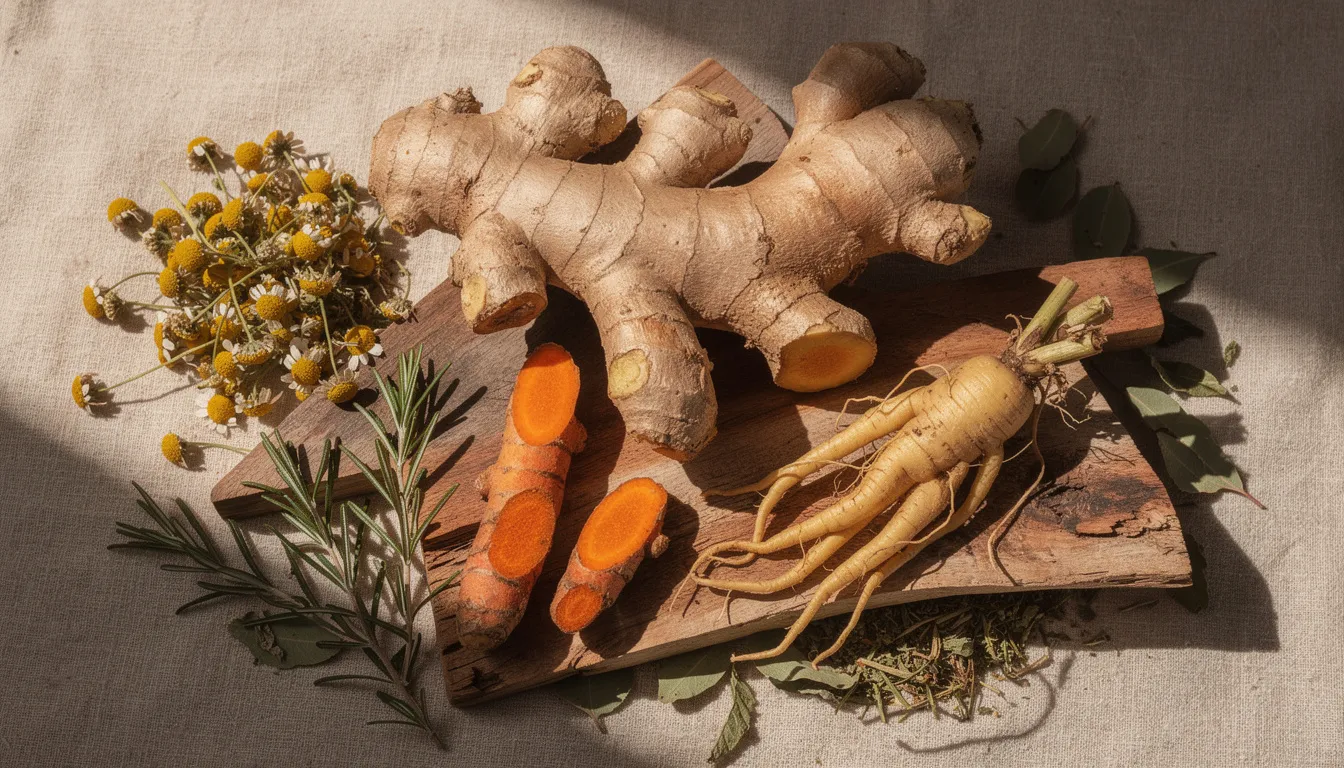
Herb supplements are plant-based products sold in the U.S. as dietary supplements. People commonly use them for immune support, mood balance, sleep improvement, and relief from menopause symptoms. These products come from leaves, roots, seeds, flowers, and bark of plants like echinacea, ginseng, and turmeric.
In the United States, the FDA regulates herbal products as foods rather than prescription drugs. This means they are not tested for safety and effectiveness before reaching store shelves—a critical distinction that affects every consumer.
Herb supplements can cause side effects, interact with medicines, and aren’t safe for everyone. For example, St. John’s wort can reduce the effectiveness of birth control pills and certain HIV medications. Pregnant individuals, those with chronic diseases, and people taking prescription medicines should exercise particular caution.
Common herbs like echinacea, ginkgo, ginseng, garlic, turmeric, and ashwagandha have some evidence supporting specific uses. However, benefits are typically modest and not proven to cure or prevent serious disease like cancer or dementia.
Always choose reputable brands, read labels carefully, and discuss herb supplement use with a licensed healthcare provider or pharmacist before starting or stopping any product.
What Are Herb Supplements?
Herb supplements—also called herbal supplements or botanicals—are products made from leaves, roots, seeds, flowers, or bark of plants such as echinacea, ginseng, and St. John’s wort. People take them to support health rather than to treat diagnosed diseases. These products represent one category within the broader dietary supplements classification, which also includes vitamins, minerals, amino acids, and probiotics.
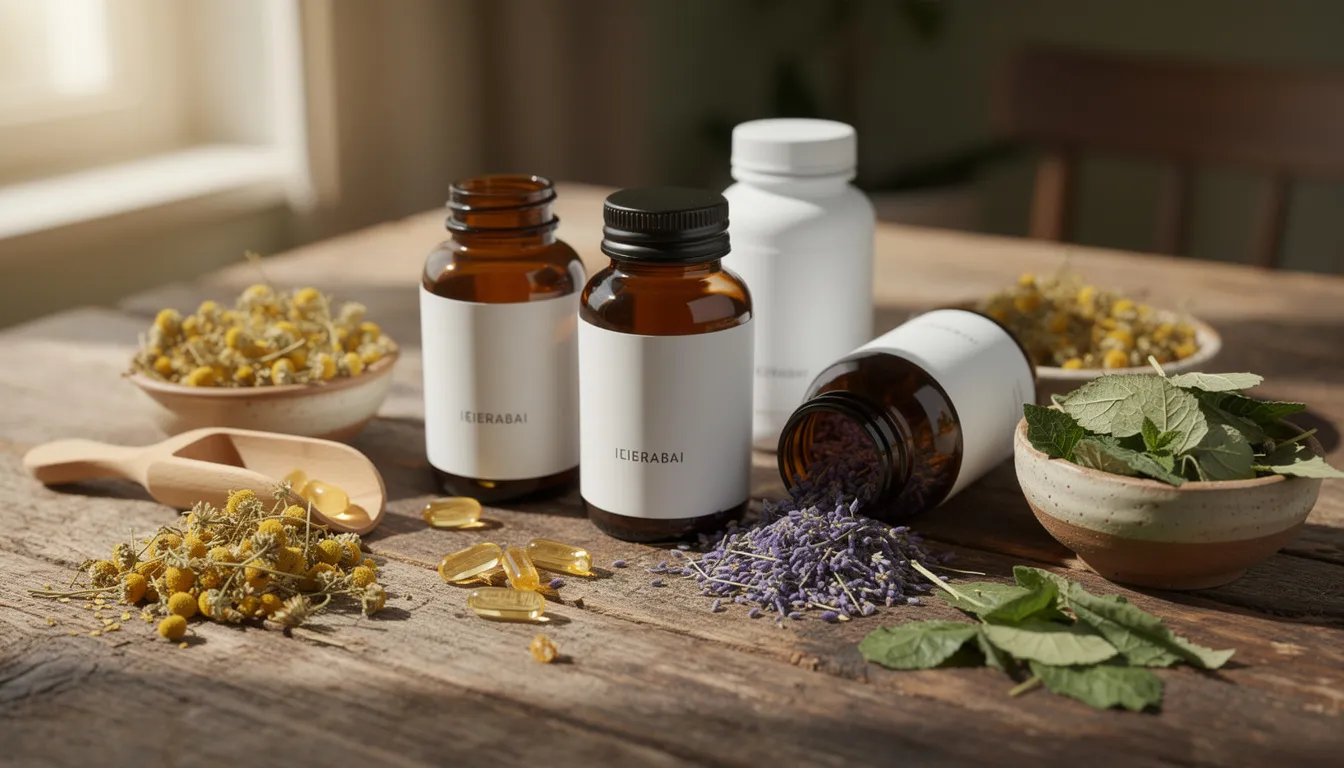
You’ll find herbal supplements in many forms depending on preference and intended use. Capsules and tablets offer convenience and standardized dosing. Liquid extracts and tinctures provide faster absorption for some users. Dried herbs for teas—like chamomile or peppermint—serve those who prefer a gentler, ritual-based approach. Powdered herbs can be mixed into foods or smoothies. Topical gels and creams, such as arnica gel for bruises, deliver herbs directly to the skin where they’re needed.
Understanding the difference between whole-plant products and isolated plant chemicals matters for informed decision-making. Willow bark, for example, contains natural compounds related to the salicylic acid found in aspirin. Many prescription medicines originated from plants but are now manufactured as standardized medicines with precise dosing. The herbal version and the pharmaceutical version are not interchangeable, even when derived from the same botanical source.
In everyday use, herbal supplements typically refers to non-prescription products people buy in pharmacies, health-food stores, supermarkets, and online retailers. Marketing language often includes phrases like “boost immunity,” “support mood,” or “promote relaxation.” Usage has grown significantly since the 1990s in the U.S., with national surveys reporting millions of adults taking at least one herb supplement each month. This growth reflects broader interest in complementary and integrative health approaches alongside conventional medical care.
Regulation: Herb Supplements and the FDA
Understanding how herbal products are regulated helps explain both their accessibility and their limitations. In the United States, herb supplements fall under the Dietary Supplement Health and Education Act (DSHEA) of 1994. Under this framework, the FDA treats them as dietary supplements—a category of food—not as prescription or over-the-counter drugs.
This distinction has major practical implications:
|
Aspect |
Prescription Drugs |
Herbal Supplements |
|---|---|---|
|
Pre-market testing |
Required clinical trials proving safety and effectiveness |
Not required |
|
FDA approval |
Must be approved before sale |
No pre-market approval needed |
|
Manufacturing standards |
Strict pharmaceutical GMP |
Dietary supplement GMP (less stringent) |
|
Health claims |
Can claim to treat/cure diseases |
Limited to structure/function claims |
|
Reporting adverse events |
Mandatory for manufacturers |
Voluntary for consumers |
Manufacturers do not need to prove safety or effectiveness in clinical trials before selling an herbal product. Instead, the FDA can only act after problems emerge—issuing warnings or recalls when serious side effects are reported. This reactive rather than proactive approach places more responsibility on consumers to research what they’re taking.
Labels on herbal products follow specific legal guidelines. They can make structure/function claims such as “supports immune health” or “helps maintain normal mood.” However, they cannot claim to “cure depression” or “treat cancer.” Every supplement must include the standard disclaimer: “This statement has not been evaluated by the Food and Drug Administration. This product is not intended to diagnose, treat, cure, or prevent any disease.”
Standardization terms on labels—like “standardized to 24% ginkgo flavone glycosides”—sound reassuring but don’t guarantee identical potency or clinical effect across brands or even between batches from the same manufacturer. Growing conditions, age of the plant, harvest timing, and processing methods all affect the final product.
Quality initiatives provide some consumer protection. Look for third-party certification seals from organizations like U.S. Pharmacopeia (USP) or NSF International. These certifications indicate that an independent lab has verified the bottle actually contains what the label lists and meets basic purity standards for contaminants like heavy metals and pesticides.
Safety Precautions When Choosing and Using Herb Supplements
The word “natural” does not equal “safe.” Herb supplements can have powerful pharmacologic effects on the body, including bleeding risk, blood-pressure changes, liver injury, and sedation. Arsenic is natural. Poison ivy is natural. Many herbal products contain compounds that work precisely because they’re pharmacologically active—which also means they can cause harm.
Drug Interactions to Watch
Always review your current prescription and over-the-counter medicines, as well as other supplements, with a healthcare provider or pharmacist before starting herbs. Some interactions are serious:
St. John’s wort reduces the effectiveness of birth control pills, potentially leading to unintended pregnancy. It also interferes with some HIV drugs, transplant rejection medicines, and certain cancer treatments.
Ginkgo biloba and garlic supplements increase bleeding risk when combined with blood thinners like warfarin or aspirin.
Kava combined with sedatives or anxiety medications can cause excessive drowsiness and respiratory depression.
Valerian may intensify the effects of anesthesia and other sedating medicines.
These aren’t theoretical concerns—they represent documented drug interactions reported in medical literature and case studies.
Vulnerable Groups Requiring Extra Caution
Certain populations should avoid specific herbs or use them only with medical supervision:
Pregnant or breastfeeding people
Children and teenagers
Adults over 65
Those with liver or kidney disease
People with heart disease or bleeding disorders
Individuals with autoimmune conditions
Anyone with upcoming surgery
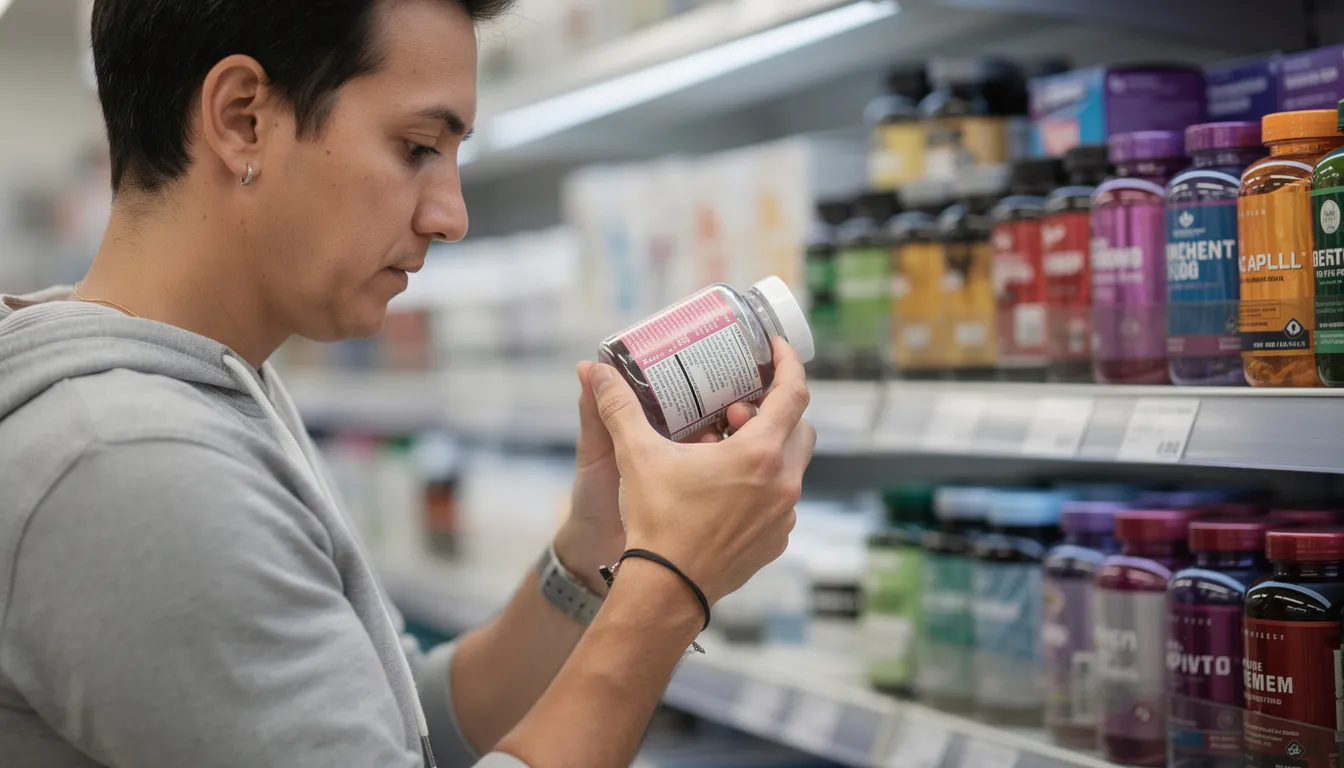
Reading Labels Like a Detective
When evaluating herbal products, examine labels for:
Exact botanical name (for example, Hypericum perforatum for St. John’s wort)
Plant part used (root, leaf, flower, whole plant)
Dose per serving with clear units (mg, mcg, or standardized extract percentage)
Other ingredients including fillers, binders, and potential allergens
Manufacturer contact information
Be wary of products with proprietary “blends” that hide exact amounts of each ingredient. If you can’t figure out how much of a specific herb you’re taking, that’s a problem.
Choosing Reputable Brands
Select products from companies that:
Use good manufacturing practices (GMP)
Provide batch or lot numbers for traceability
Have independent testing (USP Verified, NSF Certified, or ConsumerLab tested)
Have been on the market for several years with clear company contact details
Be cautious with products sold exclusively through social media, multi-level marketing, or overseas websites with no clear regulatory oversight.
Starting Smart
Begin with the lowest suggested dose on the label. Monitor for side effects such as rashes, digestive upset, dizziness, or mood changes over the first few weeks. If symptoms occur, stop the product immediately and seek medical advice. Document what you took, when you started, and what happened—this information helps healthcare providers assess the situation.
Common Herb Supplements and Their Uses
The following herbs rank among the most widely used in North America and Europe. Evidence quality and strength varies considerably—some have been studied in large clinical trials, while others rely primarily on traditional use and small pilot studies. This list covers what research shows and where caution applies.
Black Cohosh (Actaea racemosa)
Common uses: Menopausal hot flashes and night sweats
Black cohosh has been used for centuries by Native American communities for women’s health concerns. Modern research shows mixed results for menopausal symptoms—some studies report modest relief, while others show no significant benefit compared to placebo. Rare but serious liver toxicity has been reported, leading health agencies in several countries to add warnings. Avoid during pregnancy and if you have liver disease.
Echinacea (Echinacea purpurea and related species)
Common uses: Immune support, reducing cold duration
Often taken at the first sign of a cold to “boost immunity,” echinacea is one of the most popular herbal remedies in the U.S. Research suggests only modest or no benefit in shortening cold duration. People allergic to ragweed, chrysanthemums, or other plants in the daisy family may experience allergic reactions. Quality and species used vary widely between products, making consistent results difficult.
Evening Primrose Oil (Oenothera biennis)
Common uses: Premenstrual syndrome (PMS), breast tenderness, inflammatory skin conditions
Evening primrose oil contains gamma-linolenic acid (GLA), an omega-6 fatty acid thought to help reduce inflammation. High-quality evidence for its effectiveness is limited. Side effects can include headache and stomach upset. Some people use it for eczema, though dermatological research hasn’t consistently supported this application.
Feverfew (Tanacetum parthenium)
Common uses: Migraine prevention, menstrual cramps
Some clinical trials show reduced migraine frequency when feverfew is taken regularly over time, though effects are modest. Chewing fresh leaves can cause mouth irritation and ulcers. Not recommended during pregnancy. Those taking blood thinners should use caution due to potential bleeding risk.
Garlic (Allium sativum)
Common uses: Heart and blood vessel health, cholesterol management
Garlic supplements show some evidence for mild blood-pressure reduction and modest cholesterol effects. However, garlic can increase bleeding risk—particularly important for people taking blood thinners or those with upcoming surgery. Fresh garlic in foods provides different compounds than concentrated supplements, and effects may not be comparable.
Ginkgo Biloba
Common uses: Memory, concentration, circulation
Despite decades of marketing for cognitive enhancement, large studies—including a major U.S. trial funded by the National Institutes of Health—have not confirmed that ginkgo prevents dementia or significantly improves memory in healthy adults. Bleeding risk is a significant concern, especially when combined with warfarin, aspirin, or other anticoagulants. Side effects can include headache, dizziness, and digestive upset.
Ginseng (Panax ginseng, Panax quinquefolius)
Common uses: Energy, stress resilience, immune function
Ginseng has a long history in traditional Chinese medicine and remains popular today for combating fatigue and supporting the body during stress. Limited high-quality evidence supports these claims. Potential side effects include insomnia, headaches, and blood-sugar changes. Those with diabetes or taking blood-thinning medications should discuss ginseng with their healthcare provider before use.
Goldenseal (Hydrastis canadensis)
Common uses: Often combined with echinacea for colds and sinus infections
Despite its popularity, little strong evidence supports goldenseal’s effectiveness for respiratory infections. Concerns exist about how it affects liver enzyme function, potentially changing how the body metabolizes other drugs. Experts recommend caution, and some suggest avoiding it entirely without professional guidance.
Green Tea Extract (Camellia sinensis)
Common uses: Weight loss, antioxidant support
Drinking brewed green tea differs significantly from taking concentrated extract capsules. While moderate tea consumption appears safe for most people, rare but serious liver injury has been reported with high-dose extracts marketed for weight loss. If you’re interested in green tea’s benefits, consider drinking the beverage rather than taking pills.
Hawthorn (Crataegus species)
Common uses: Mild heart failure, heart health support
Hawthorn has been used traditionally in Europe for heart problems, and some clinical trials have shown symptom improvement in people with mild heart failure. However, safety with prescription heart medicines requires close medical supervision. Never use hawthorn as a substitute for prescribed cardiac medications without discussing it with your cardiologist.
Saw Palmetto (Serenoa repens)
Common uses: Urinary symptoms from enlarged prostate (BPH)
Men commonly use saw palmetto hoping to reduce nighttime urination and other prostate-related symptoms. Large, well-designed studies have produced mixed results, with some showing little difference from placebo. Side effects are generally mild but can include digestive upset and headache.
St. John’s Wort (Hypericum perforatum)
Common uses: Mild to moderate depression
This herb has more research behind it than most herbal supplements. Some studies show effects similar to standard antidepressants for mild to moderate depression, though results for severe depression are unclear. The critical concern is drug interactions—St. John’s wort affects how the liver processes many medicines, reducing effectiveness of birth control pills, transplant rejection drugs, certain HIV medications, and some cancer treatments. Never combine with prescription antidepressants, as this can cause dangerous serotonin syndrome. Medical guidance is essential.
Turmeric/Curcumin (Curcuma longa)
Common uses: Joint pain, inflammation
Curcumin, the active compound in turmeric, has demonstrated anti-inflammatory properties in laboratory studies. Some research suggests modest improvement in osteoarthritis symptoms. Absorption is a significant limitation—curcumin is poorly absorbed unless combined with piperine (black pepper extract) or taken in specialized formulations. High doses may cause gallbladder issues in susceptible individuals.
Ashwagandha (Withania somnifera)
Common uses: Stress relief, sleep improvement, adaptogenic support
Marketed as an adaptogen that helps the body manage stress, ashwagandha has shown some promise in research for reducing anxiety scores and improving sleep quality. However, caution or avoidance is recommended for people with autoimmune conditions, during pregnancy and breastfeeding, and before surgery due to potential immune and hormone effects. Start with low doses and monitor your response.
Evidence, Benefits, and Limits of Herb Supplements
Herb supplement research exists on a spectrum. Some products have been studied in randomized controlled clinical trials involving thousands of participants. Others rely primarily on traditional use passed down through history, small pilot studies, or animal research that may not translate to humans.
What the Science Actually Shows
Most herbs have not undergone the same rigorous testing as prescription medicines. Study limitations are common:
Short duration (weeks rather than years)
Small sample sizes (dozens rather than thousands)
Varying preparations and doses between studies
Publication bias favoring positive results
Funding from supplement manufacturers
These factors make it difficult to draw firm conclusions about effectiveness and long-term safety.
Concrete Research Examples
Consider these contrasting cases from the National Center for Complementary and Integrative Health and peer-reviewed research:
Ginkgo biloba for dementia prevention: A large U.S. trial (the GEM study) followed over 3,000 older adults for several years. Results showed no significant benefit for preventing dementia or slowing cognitive decline—despite decades of marketing claims.
St. John’s wort for depression: European studies comparing the herb to low-dose antidepressants found similar effects in patients with mild to moderate depression. However, trials in people with severe depression showed the herb performed no better than placebo.
Milk thistle for liver disease: Despite widespread use for liver problems and high cholesterol, study results regarding benefits for liver disease remain inconsistent and not definitive.
Understanding “Clinically Meaningful” Benefits
When research shows a “statistically significant” effect, that doesn’t always mean you’ll notice a difference. A supplement might reduce blood pressure by 2-3 points—statistically detectable in a study but unlikely to eliminate your need for prescription medication.
“Clinically meaningful” benefit often means modest symptom relief rather than a cure. Responses vary based on:
Individual genetics
Gut microbiome composition
Specific product formulation used
Underlying health conditions
Other medications being taken
The Placebo Effect and Lifestyle Factors
Many positive effects attributed to herb supplements may stem partly from:
Placebo response (believing something will help often provides real symptom relief)
General lifestyle improvements people make when focusing on health
Regression to the mean (symptoms naturally fluctuate, and people often seek treatment when symptoms are worst)
This doesn’t mean benefits aren’t real to the person experiencing them—but it does mean that high-quality, peer-reviewed studies are needed before strong effectiveness claims can be made.
Reliable Information Sources
For evidence-based information about herbal products, consult:
NIH Office of Dietary Supplements (ods.od.nih.gov)
National Center for Complementary and Integrative Health (nccih.nih.gov)
MedlinePlus (medlineplus.gov)
Major academic medical centers (Mayo Clinic, Cleveland Clinic)
Evidence-based herb monographs from organizations like the American Botanical Council
These resources provide balanced assessments based on available research rather than marketing claims.
How to Choose High-Quality Herb Supplements
Herb supplement quality varies widely between brands and even between batches from the same manufacturer. This variability affects both safety and effectiveness—you might get too little of the active compound to work, or too much of a contaminant you don’t want.
Verifying Brand Reputation
Before purchasing, investigate the company:
Track record: Has the brand been on the market for several years?
Contact information: Are company details clearly displayed, including a U.S. address and phone number?
Safety history: Search for FDA warning letters or recalls associated with the brand (this information is publicly available on the FDA website)
Transparency: Does the company provide information about sourcing and testing?
Third-Party Testing Certifications
Look for independent testing labels that verify product contents and purity:
|
Certification |
What It Tests For |
|---|---|
|
USP Verified |
Ingredient identity, potency, purity, dissolution |
|
NSF Certified |
Contaminants, label accuracy, GMP compliance |
|
ConsumerLab Approved |
Product quality, contamination, label claims |
These programs typically screen for heavy metals, pesticides, microbes, and verify that what’s on the label matches what’s in the bottle.
Red Flags to Avoid
Be skeptical of products that:Promise dramatic, quick cures for serious conditions like cancer, dementia, or heart disease
Use phrases like “miracle cure,” “secret formula,” or “doctor-free solution”
Claim to work for an implausibly long list of unrelated conditions
Are sold exclusively through social media or multi-level marketing
Have unusually low prices compared to similar products
Lack clear ingredient lists or contact information
Dosage Considerations
Examine the serving size and total daily dose on the label carefully. When possible, compare to amounts used in clinical studies. Be wary of:
Doses far higher than research-tested ranges
Vague proprietary blends that hide exact amounts
Products requiring many pills to achieve the listed dose
Starting Simple
Choose single-herb products when starting out. If side effects occur, identifying the cause becomes much easier. Complex blends containing five, ten, or more ingredients increase the risk of unexpected interactions and make adverse reactions harder to interpret.
Practical Tips for Safe Use and Talking With Your Healthcare Team
Integrating herbs safely into your health plan works best when you discuss them openly with doctors, nurse practitioners, physician assistants, and pharmacists. Many people hide supplement use from healthcare providers out of fear of judgment—but this approach increases your risk of harmful interactions and prevents your team from giving you the best possible care.
Prepare for Medical Appointments
Bring an up-to-date list of all herb supplements, vitamins, and medications to every medical appointment. Include:
Brand names
Dose per serving
How often you take each product
How long you’ve been using it
When possible, bring the actual bottles so providers can check ingredients, strength, and manufacturer information.
Frame the Conversation Productively
Schedule extra time to discuss your goals for using a particular herb. Be specific:
“I’m interested in trying valerian because I’ve been having trouble sleeping for the past two months”
“I read that ashwagandha might help with stress—is that something worth trying given my current medications?”
“My friend recommended turmeric for my joint pain—what do you think?”
This approach opens dialogue about whether lifestyle changes, conventional treatments, herbs, or some combination makes the most sense for your situation.
Questions to Ask Your Provider
Get specific answers to practical questions:
“Is this herb safe with my current medicines?”
“What dose would you consider reasonable for someone with my health history?”
“How long should I try it before deciding whether it’s helping?”
“What warning signs mean I should stop immediately?”
“Are there any upcoming tests or procedures that might be affected?”
Track Your Response
Create a simple symptom diary noting:
Date and time of each dose
Any changes (positive or negative) in sleep, energy, pain, mood, digestion, or skin
Other relevant factors (stress levels, diet changes, new medications)
Review this information after several weeks to assess whether the herb is providing meaningful benefit.
Surgery Preparation
Most surgeons and anesthesiologists ask patients to stop many herb supplements at least one to two weeks before planned surgery. Commonly flagged herbs include:
Garlic (bleeding risk)
Ginkgo (bleeding risk)
Ginseng (bleeding risk, blood sugar effects)
St. John’s wort (anesthesia interactions)
Valerian (sedation enhancement)
Kava (liver concerns, sedation)
Don’t wait until the day before surgery to mention your supplements—discuss them as soon as surgery is scheduled.

FAQ
Can I take herb supplements with prescription antidepressants or anxiety medications?
Some herbs interact dangerously with psychiatric medications. St. John’s wort is particularly concerning—it can cause serotonin syndrome (a potentially life-threatening condition) when combined with SSRI or SNRI antidepressants. Kava and high-dose ashwagandha can cause excessive sedation when combined with anti-anxiety medicines or other sedatives. Never combine these on your own. Work closely with a prescribing clinician if you’re considering adding or switching to herbal products for mood or anxiety support.
Are herb supplements safer than prescription drugs because they are natural?
No—“natural” does not automatically mean safe or gentle. Certain concentrated green tea extracts have been linked to serious liver injury. Kava has caused liver damage severe enough to require transplantation in some users. Ephedra, a natural herb, was banned by the FDA after being linked to heart attacks and strokes. Prescription drugs at least have standardized doses, required safety testing, and decades of post-market surveillance. Many herbal products lack this level of scrutiny.
Can children or teenagers use herb supplements?
Children metabolize substances differently than adults, and very few herbs have been rigorously tested in pediatric populations. Most safety data comes from adult studies and cannot be directly applied to children. Parents should avoid giving herb supplements to children and teens without guidance from a pediatrician or specialist knowledgeable about integrative health. Even herbs considered safe for adults may pose unexpected risks for developing bodies.
How long does it usually take to see results from an herb supplement?
Time frames vary considerably by herb and condition. Products marketed for sleep, like valerian or ashwagandha, might show effects within days to a couple of weeks. Supplements used for joint pain, like turmeric, or menopausal symptoms, like black cohosh, often require several weeks to a few months of consistent use before you can judge whether they’re helping. If you see no improvement after the appropriate trial period, the product likely isn’t working for you.
Is it better to drink herbal teas or to take capsules and extracts?
Teas typically provide lower, gentler doses and can be safer starting options for many people. However, potency is less predictable—steeping time, water temperature, and herb quality all affect what ends up in your cup. Capsules and standardized extracts deliver more consistent amounts, which can be helpful for tracking effects, but may carry higher risk of side effects due to concentrated doses. Match the form to your goals and health status. If you take other medications, seek professional advice regardless of which form you choose.