

Supplements in Sport
Key Takeaways
- Only a handful of dietary supplements—creatine, caffeine, beta-alanine, dietary nitrates, and protein—have robust scientific evidence supporting their use for athletic performance, while many others remain overhyped or under-researched.
- Supplements function as add-ons to structured training, adequate sleep, and proper nutrition—not replacements for these fundamentals; even professional athletes competing in 2026 still build performance on these core pillars first.
- Safety, third-party testing (NSF Certified for Sport, Informed Sport), and anti-doping compliance are critical concerns due to contamination risks, particularly with bodybuilding and pre-workout products containing undeclared substances.
- Regulations differ significantly by country (U.S. DSHEA 1994 for supplements; WADA Code 2025 for banned substances), and athletes bear strict-liability responsibility for anything they ingest.
- This article distinguishes between high-evidence supplements and experimental or banned substances, providing practical decision rules that athletes and coaches can apply to their own situations.
Introduction: Why Athletes Turn to Supplements
Modern athletes—from high-school competitors preparing for state championships to Olympians competing at Paris 2024 and beyond—commonly incorporate sports supplements into their routines. The reasons are varied: some seek improved exercise performance in competition, others prioritize faster muscle recovery between training sessions, and many simply want the convenience of meeting nutritional needs during demanding schedules. The global sports nutrition market has grown into a multi-billion dollar industry, with products promising everything from explosive power gains to enhanced endurance performance.
A sport supplement, defined concretely, encompasses powders, capsules, drinks, and bars containing ingredients like creatine, caffeine, beta-alanine, protein, vitamins and minerals, herbal extracts, and synthetic compounds. These nutritional supplements target typical goals across different athletic populations: improved power output for sprinters and weightlifters, enhanced aerobic capacity for marathoners and cyclists, sharper cognition and focus for esports athletes and precision sports competitors, and accelerated exercise recovery for anyone training at high volumes.
The challenge facing many athletes is that research quality across this landscape remains uneven. Some compounds like creatine monohydrate have hundreds of randomized controlled trials establishing their efficacy, while others rely on small or poorly designed studies. Many multi-ingredient “proprietary blends” lack any independent scientific evidence whatsoever. This article focuses on healthy adults; children, adolescents, pregnant athletes, and individuals with chronic disease require individualized medical advice from a qualified medical professional.

Foundations Before Supplements: Training, Nutrition, and Sleep
Physical performance in any sport—track and field, football, combat sports, CrossFit, or team games—depends primarily on training quality, energy availability, and recovery capacity. Before considering any ergogenic aid, athletes must establish these foundations. No supplement can compensate for inadequate training stimulus, chronic energy deficits, or accumulated sleep debt.
A well balanced diet for athletes typically includes:
|
Macronutrient |
Daily Target |
Purpose |
|---|---|---|
|
Protein |
1.2–2.0 g/kg body weight |
Muscle repair, skeletal muscle hypertrophy, immune function |
|
Carbohydrates |
3–10 g/kg body weight |
Primary fuel for high intensity exercise, glycogen replenishment |
|
Fats |
20–35% of total calories |
Hormone production, fat-soluble vitamin absorption |
|
Micronutrients |
Varied from whole foods |
Metabolic processes, bone health, oxygen transport |
|
Hydration and electrolytes represent underrated “supplements” that many athletes overlook. Practical targets include monitoring urine color (pale yellow indicates adequate hydration), replacing approximately 150% of lost fluid after long sessions, and including sodium in hot-weather events to maintain blood flow and prevent cramping. These basic strategies often yield greater returns than exotic ergogenic aids. |
|
|
Sleep functions as a primary recovery tool, with adults requiring 7–9 hours per night for optimal adaptation. Research consistently demonstrates that sleep restriction to 4–5 hours reliably impairs sprint performance, reaction time, and decision-making—metrics that no supplement can fully restore. Elite cyclists and NFL teams exemplify this priority: their support staffs first optimize diet, training periodization, and sleep hygiene before introducing ergogenic aids for marginal gains.
Evidence-Backed Performance Supplements
This section covers what actually works based on meta-analyses and position stands from organizations including the American College of Sports Medicine, International Society of Sports Nutrition (ISSN), and key reviews published between 2015–2025. Each major ingredient receives its own discussion covering mechanism, typical dose ranges, and best-supported sports or contexts.
Actual protocols vary by body weight, sport, and competition schedule. These ranges serve as examples rather than prescriptions, and athletes should consult qualified professionals—sports dietitians, team physicians, or exercise physiologists—before implementation.
Creatine Monohydrate
Creatine monohydrate stands as the most widely researched sport supplement, with the ISSN sports nutrition position stand identifying it as the most effective ergogenic nutritional supplement for promoting skeletal muscle hypertrophy and increasing high intensity exercise capacity. It benefits particularly short-duration, maximal efforts: sprinting, heavy lifts, and team sports requiring repeated sprints.
The mechanism operates through the phosphocreatine-ATP shuttle. Creatine supplementation increases intramuscular phosphocreatine stores, with approximately 95% of the body’s creatine residing in skeletal muscle. This enhanced storage speeds ATP resynthesis during the first 5–20 seconds of maximal effort, supports greater total training volume, and contributes to long-term muscle strength and lean body mass gains.
Dosing protocols include:
-
Loading phase: ~20 g/day split into 4 doses for 5–7 days, followed by 3–5 g/day maintenance
-
Steady approach: 3–5 g/day without loading (achieves saturation in approximately 3–4 weeks)
Documented performance outcomes include improved 1RM strength, enhanced sprint repeatability, small gains in vertical jump and peak power output, and better adaptation to resistance training over time. Emerging research suggests possible cognitive benefits under sleep deprivation, though this area requires further investigation.
The safety profile is reassuring: creatine is generally safe in healthy adults over multi-year use, with normal kidney function tests showing no adverse effects. Usual side effects are modest water retention and rare GI discomfort when large doses are consumed at once. The ISSN notes that supplemented athletes actually show lower injury and side-effect rates compared to non-users.
Caffeine
Caffeine functions as a central nervous system stimulant used across virtually every sport, from distance running to team games and racquet sports. Its history in Olympic competition spans decades, and it remains one of the most reliable performance enhancement tools available.
The mechanisms driving caffeine’s benefits include:
- Adenosine receptor antagonism (reducing perceived exertion and perceived pain)
- Increased alertness and reaction time
- Potential glycogen sparing via increased fat oxidation during endurance work
- Enhanced energy production through improved fat metabolism
Typical ergogenic dose guidelines suggest 3–6 mg/kg body mass consumed 30–60 minutes before exercise. For a 70 kg athlete, this translates to approximately 210–420 mg. Lower doses (1–3 mg/kg) may still benefit some individuals while reducing side effect risk.
Inter-individual variability is significant, driven by genetics (CYP1A2 enzyme variants) and habitual use patterns. Some “slow metabolizers” report jitters, anxiety, or worsened sports performance at higher doses. Athletes should test caffeine strategies during training, not on competition day, to identify optimal personal protocols.
Common delivery forms include coffee, caffeine tablets, pre-workout formulas, energy drinks, and caffeinated gels. A critical caution: stacking multiple products can easily push daily intake above 400 mg, increasing safety concerns including elevated blood pressure, anxiety, and impaired sleep quality.
Protein Supplements (Whey, Casein, and Plant Blends)
Protein powders serve primarily as convenience tools to meet daily protein targets supporting muscle repair, muscle hypertrophy, and immune function—particularly valuable for athletes training twice daily or traveling frequently.
Whey protein (typically 20–30 g per serving) is rapidly absorbed and rich in leucine, the primary branched chain amino acids driver of muscle protein synthesis. This makes it ideal for post-workout use when promoting rapid muscle recovery. Casein digests more slowly, potentially serving as an evening snack to support overnight muscle protein synthesis and reduce muscle soreness from the day’s training.
High-quality plant blends (soy, pea-rice combinations) can match animal proteins when dosed appropriately. Athletes using plant-based supplements often require slightly higher grams per serving to match leucine content and achieve comparable effects on skeletal muscle hypertrophy.
Practical daily intake ranges for athletes:
|
Goal |
Protein Intake |
Per Meal Target |
|---|---|---|
|
General fitness |
1.2–1.4 g/kg/day |
0.25–0.3 g/kg |
|
Muscle growth |
1.6–2.0 g/kg/day |
0.3–0.4 g/kg |
|
Intense training phases |
1.8–2.2 g/kg/day |
0.4–0.5 g/kg |
|
Whole foods—lean meats, dairy, eggs, legumes, soy—remain the foundation. Protein supplements should appear as supportive add-ons in meal planning, not replacements for food-based nutrition that provides additional vitamins and minerals. |
|
|
Beta-Alanine
Beta alanine supplementation increases muscle carnosine concentrations in skeletal muscle. Carnosine serves as an intracellular buffer, managing hydrogen ion accumulation during 1–4 minute high intensity exercise efforts. This makes it particularly relevant for 400–1500 meter track events, rowing, swimming sprints, and combat sport rounds where muscle fatigue from acidosis limits performance.
Typical supplementation involves 4–6 g/day divided into smaller doses (0.8–1.6 g per serving) for at least 4 weeks. Extended protocols of 8–12 weeks yield greater increases in muscle carnosine levels, with trained athletes showing measurable changes in exercise capacity and time-to-exhaustion tests.
The common side effect is transient paresthesia—tingling sensations in the face and extremities—at higher single doses. Slow-release formulations or divided dosing minimize this harmless but sometimes uncomfortable sensation.
Evidence demonstrates that beta-alanine can:
- Improve time-to-exhaustion in continuous high-intensity efforts
- Increase total work performed in repeated sprint protocols
- Reduce muscle soreness following intense training
- Enhance anaerobic performance in appropriately timed activities
Effects appear smaller or inconsistent in very short sprints (under 60 seconds) or ultra-distance events where buffering capacity is less limiting. Vegetarians often start with lower baseline muscle carnosine and may experience greater percentage increases from supplementation.
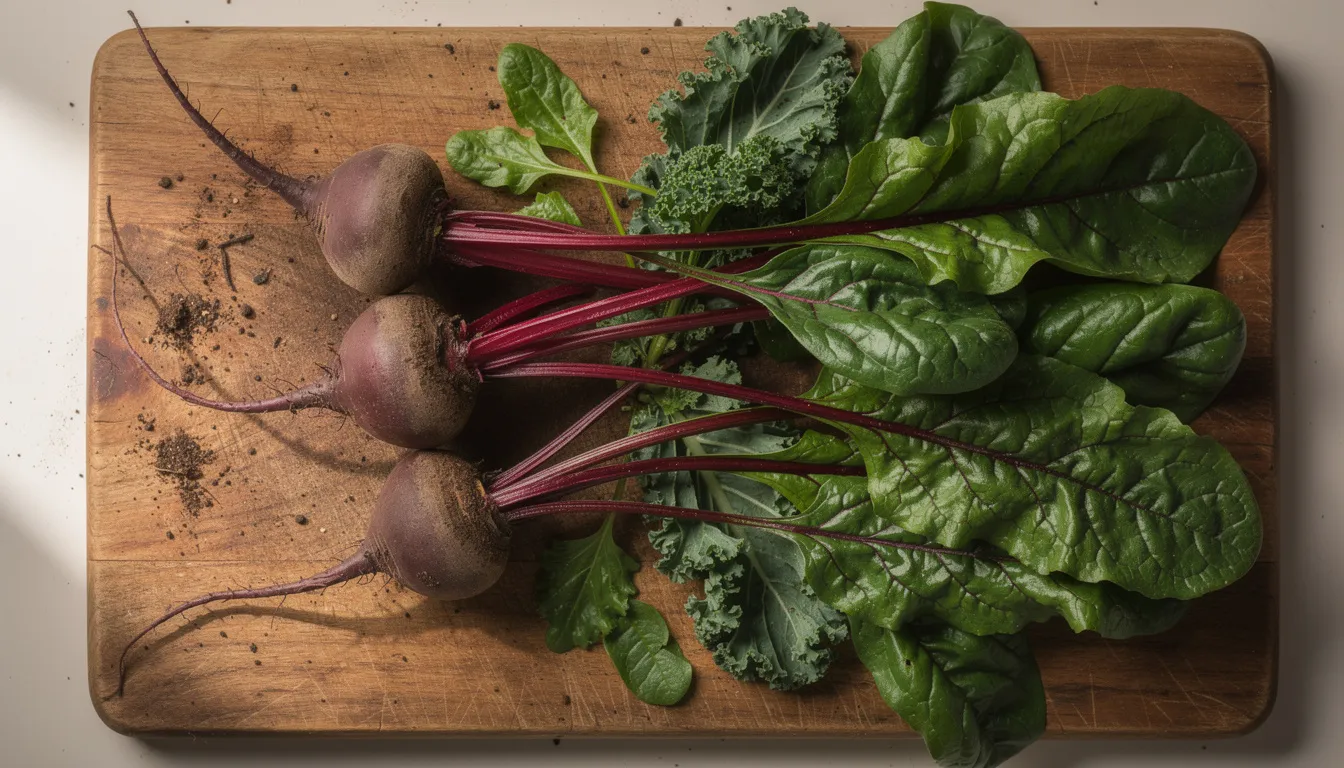
Dietary Nitrates (Beetroot Juice and Greens)
Dietary nitrates from beetroot juice and leafy green vegetables convert in the body to nitric oxide, which dilates blood vessels, improves muscle blood flow, and enhances mitochondrial efficiency. This pathway offers potential performance benefits primarily for endurance sports and submaximal exercise performance.
Realistic intake involves approximately 300–600 mg of nitrate, often delivered as 500 ml of concentrated beetroot juice or commercial nitrate shots. Timing typically falls 2–3 hours before competition for acute effects on endurance performance in events like 5–10 km runs or cycling time trials.
Chronic protocols—daily nitrate intake for 3–7 days before competition—can further increase plasma nitrite levels. Research suggests these protocols may be especially beneficial for sub-elite athletes, while highly trained athletes sometimes show smaller response magnitudes.
Primary performance outcomes from nitrate supplementation include:
- Reduced oxygen consumption during submaximal exercise
- Small improvements in time-trial performance
- Better tolerance of high intensity interval training
- Enhanced oxygen uptake efficiency at moderate intensities
Nitrate content varies widely between commercial products, and some individuals experience GI upset. Athletes should conduct trial runs well before key competitions to assess tolerance and identify effective dosing.
Popular but Less Proven or Context-Dependent Supplements
Many supplements have plausible mechanisms and some positive data but lack the weight of evidence or consistency seen with creatine, caffeine, protein, beta-alanine, and nitrates. These compounds may still prove valuable for certain athletes—those with heavy training loads, specific deficiencies, or competing in weight-class sports—but require more careful cost-benefit analysis.
Branched-Chain Amino Acids (BCAAs)
Branched chain amino acids—leucine, isoleucine, and valine—are essential amino acids abundant in animal proteins and many complete plant proteins. Marketing has historically emphasized their role in muscle growth and reducing muscle soreness, with products targeting the fitness community extensively.
When total daily protein intake is adequate (≥1.6 g/kg/day), recent scientific evidence suggests additional BCAA supplementation yields modest or negligible extra benefits for muscle mass gains. The amino acids in BCAA supplements are already present in sufficient quantities in complete protein sources.
Potential niche applications include:
- During very long training sessions when full meals are impractical
- During cutting phases where carbohydrate and calorie intake are severely restricted
- For athletes struggling with appetite who find liquid amino acids more tolerable
A practical comparison: a 10 g BCAA supplement typically costs $0.50–1.00 per serving and provides only three amino acids. An equivalent or superior amino acid profile comes from 25 g of whey protein at similar cost, which also provides all other essential amino acids necessary for optimal muscle protein synthesis.
Antioxidants (Vitamin C, Vitamin E, Coenzyme Q10, and Polyphenols)
Intense training and acute exercise generate reactive oxygen species. Antioxidant-rich foods—berries, vegetables, olive oil, nuts—support recovery and long-term cardiovascular health. However, the role of supplemental antioxidants in sports medicine is more nuanced.
High-dose isolated antioxidant supplements (≥1000 mg/day vitamin C, ≥400 IU/day vitamin E) may actually blunt some training adaptations. The mechanism involves dampening beneficial cellular signaling from reactive oxygen species that drives mitochondrial biogenesis, cardiorespiratory fitness improvements, and myofiber hypertrophy. This represents a case where more is not necessarily better.
Coenzyme Q10 and polyphenol supplements (quercetin, tart cherry extract) show promise for:
- Reducing exercise induced muscle damage markers
- Decreasing delayed onset muscle soreness
- Supporting enhance recovery between sessions
However, direct physical performance improvements remain inconsistent across studies.
The practical recommendation: prioritize whole-food antioxidant sources year-round. Use targeted supplemental doses briefly during competition blocks or very high training loads, and only under professional guidance from a sports dietitian or medical professional.
Amino Acids and Recovery Aids (Glutamine, Glycine, NAC, L-Theanine)
Glutamine is the most abundant amino acid in the body. Despite marketing claims, it shows limited direct performance benefits in healthy trained athletes. Potential roles exist in immune support during heavy training phases, travel, or periods of significant improvement in training load that temporarily compromise immunity.
Glycine is a simple amino acid with emerging evidence for sleep quality improvement, collagen support, and joint health. Some athletes report better submaximal exercise recovery and reduced joint discomfort, though definitive athletic population data remains limited.
N-acetylcysteine (NAC) serves as a precursor to glutathione with antioxidant effects. Some studies find reduced muscle fatigue and improved high intensity training performance, but long-term safety and optimal dosing protocols are not firmly established for athletic use.
L-theanine, an amino acid from tea, is often combined with caffeine to improve focus while reducing jitteriness. Data from cognitive and stress studies may translate to fine-motor or precision sports, and many athletes report subjective benefits for intense training requiring sustained concentration.
Adaptogens and Herbal Extracts (Ashwagandha, Ginseng, Turmeric)
Adaptogens are herbs proposed to help the body resist physical and psychological stress. They’ve gained popularity among both strength and endurance athletes seeking natural human performance optimization.
Ashwagandha research shows some trials demonstrating small improvements in muscle strength, VO2 max, and perceived stress reduction. Typical doses range from 300–600 mg/day of standardized extract (typically to withanolides) over 8–12 weeks. Effects appear modest but may benefit athletes managing high stress loads.
Ginseng (Panax species) has mixed evidence for endurance and fatigue reduction. Results vary considerably by species, dose, and study design. Claims of large performance boosts are not supported by the current body of research, and competitive athletes should approach marketing claims skeptically.
Turmeric/curcumin functions as an anti-inflammatory compound potentially reducing delayed onset muscle soreness and joint discomfort. Bioavailability challenges are significant—standard turmeric powder absorbs poorly. Formulations with piperine or liposomal carriers improve absorption substantially.
Important safety note: Possible drug-herb interactions exist. Ginseng may interact with anticoagulants and diabetes medications. Athletes taking any prescription medication should consult a medical professional before adding herbal supplements.
Banned and High-Risk Substances in Sport Supplements
Anti-doping frameworks govern what competitive athletes can legally use. The World Anti-Doping Agency (WADA) Prohibited List 2025 and national anti-doping organizations serve as primary arbiters for Olympic and most professional sports. Understanding these regulations is essential for professional athletes and competitive athletes at all levels.
Some substances were once marketed as “legal performance boosters” but were later banned due to safety issues or documented unfair advantage. These may still appear in online products or mislabeled “research chemicals” sold through unregulated channels.
The strict-liability principle is critical: athletes are responsible for any banned substances found in their system, regardless of intent, label accuracy, or supplier claims. Ignorance provides no defense.
Designer Stimulants (DMAA, DMBA, and Similar Compounds)
Dimethylamylamine (DMAA) and related synthetic stimulants were formerly added to pre-workout supplements and fat burners. These compounds have been linked to serious cardiovascular events including hypertension, arrhythmias, strokes, and deaths—sometimes in young, otherwise healthy individuals.
The U.S. FDA has declared DMAA and several analogues illegal in dietary supplements. WADA bans them under “specified stimulants” with potential consequences including multi-year suspensions for positive tests.
Products sold online in 2026 may still contain DMAA-like substances disguised under obscure botanical names or chemical synonyms. Red flags include:
- “Proprietary stimulant blends” with undisclosed ingredients
- Claims of “pharmaceutical-grade energy” or “hardcore focus”
- Products manufactured in countries with minimal regulatory oversight
- Brand names mimicking discontinued banned products
Prohormones and Designer Steroids (Androstenedione and Others)
Androstenedione and other “prohormones” were marketed in the late 1990s and early 2000s as testosterone boosters, famously associated with Major League Baseball controversies. These compounds were later reclassified as controlled substances in many jurisdictions.
Health risks documented in clinical studies include:
- Negative effects on cholesterol profiles (decreased HDL, increased LDL)
- Potential liver toxicity
- Hormonal disruptions affecting natural testosterone production
- Long-term fertility concerns
Adverse effects on body composition (paradoxically increasing fat mass in some cases)
These compounds are banned by WADA, most professional leagues, and many national law-enforcement agencies. They may still contaminate “hardcore bodybuilding” products marketed through underground channels or overseas suppliers.
Ephedra and High-Dose Sympathomimetics
Ephedra was a once-popular weight-loss and performance supplement, typically combined with caffeine in “ECA stacks.” Serious cardiovascular events—heart attacks, strokes, sudden death—led to an FDA ban on ephedrine alkaloids in dietary supplements in 2004.
Some products now substitute other sympathomimetic ingredients (synephrine from bitter orange, for example) at high doses with unclear safety profiles. These may still cause:
- Heart palpitations
- Significant blood pressure elevation
- Anxiety and insomnia
- Potential cardiovascular strain during exercise
Athletes should avoid any supplement whose primary marketing emphasizes extreme fat loss or intense stimulant effects, especially when labels are vague, use proprietary blends, or under-dose transparent ingredients like caffeine to make room for undisclosed compounds.
Regulation, Label Accuracy, and Third-Party Testing
In the United States, dietary supplements are regulated under the Dietary Supplement Health and Education Act (DSHEA) of 1994. This framework does not require pre-market approval for safety or efficacy—a critical distinction from pharmaceutical drugs. Manufacturers bear legal responsibility for ensuring products are safe and accurately labeled, but enforcement is reactive rather than preventive.
History shows recurring problems:
- Mislabeling of ingredient quantities (some products contain fractions of label claims)
- Contamination with undeclared pharmaceuticals, steroids, or stimulants
- Inclusion of banned substances that end athlete careers
- Heavy metal contamination in products manufactured without quality controls
National agencies (U.S. FDA, Health Canada, EFSA in Europe, TGA in Australia) conduct post-market surveillance, issue recalls, and take enforcement action against dangerous products. However, resources are limited relative to the market’s size.
Third-party certifications that competitive athletes should prioritize:
|
Certification |
Organization |
Key Features |
|---|---|---|
|
NSF Certified for Sport |
NSF International |
Tests for 280+ banned substances, verifies label claims |
|
Informed Sport |
LGC Group |
WADA-compliant testing, batch-specific verification |
|
BSCG |
Banned Substances Control Group |
Tests for 500+ drugs, independent verification |
|
Athletes can cross-check products on certification databases and should avoid brands with histories of doping violations, FDA warning letters, or repeated quality problems. Purchasing from reputable retailers rather than third-party marketplace sellers reduces—though doesn’t eliminate—contamination risk. |
|
|

Safety, Side Effects, and Interactions
Even legal supplements can cause side effects, interact with medications, or prove inappropriate for individuals with specific health conditions. Athletes with kidney disease, hypertension, liver conditions, or taking prescription medications require particular caution.
Common minor side effects:
-
GI upset from high-dose magnesium or creatine loading
-
Caffeine-related insomnia, anxiety, and elevated heart rate
-
Beta-alanine paresthesia (tingling)
-
Modest water weight gain from creatine
More serious risks with certain products:
-
Stimulant-induced arrhythmias (caffeine overdose, DMAA, ephedrine)
-
Liver injury from certain herbal blends or undeclared steroids
-
Kidney issues when heavy supplement use compounds existing medical problems
-
Hormonal disruption from contaminated products
Key medication interactions to consider:
|
Supplement |
Potential Interaction |
|---|---|
|
Iron |
Reduces absorption of levothyroxine, levodopa |
|
Ginseng, Ginkgo |
May affect anticoagulant therapy (warfarin) |
|
High-dose antioxidants |
May interfere with certain chemotherapies |
|
St. John’s Wort |
Affects many medications through CYP450 |
|
Caffeine |
Interacts with adenosine, theophylline, some psychiatric medications |
|
Athletes and coaches should coordinate supplement plans with sports physicians, pharmacists, or registered dietitians. Maintaining an updated list of all products in use—including energy drinks, gels, and over-the-counter remedies—enables healthcare providers to assess cumulative intake and potential interactions. |
|
Building a Sensible Supplement Strategy
A practical, stepwise framework for improving sports performance through supplementation:
-
Clarify sport-specific demands: What energy systems dominate? What are the primary limiters of performance?
-
Optimize diet and sleep: Ensure adequate calories, appropriate macros, and 7-9 hours of quality sleep
-
Test a small number of evidence-backed supplements: Start with one or two with clear mechanisms relevant to your sport
-
Monitor performance and health markers: Track both subjective and objective outcomes
-
Periodically reassess necessity: Discontinue products that aren’t providing measurable value
For recreational athletes, starting simple makes sense. Adequate protein intake (from food or supplements), possibly creatine for strength and power development, and careful caffeine use for competition days represent a reasonable starting point.
Example scenarios:
A 10 km runner might prioritize daily protein adequacy, experiment with caffeine timing before races, and consider nitrate supplementation during peak training blocks. Creatine offers less direct benefit for pure endurance but may support high intensity interval training during base-building phases.
A powerlifter would likely prioritize creatine monohydrate year-round, protein intake at the upper ranges (1.8-2.2 g/kg), and caffeine for competition days. Beta-alanine offers less value since powerlifting sets are too short for significant acidosis accumulation.
Timing considerations:
- Periodize supplement use around competition seasons
- Reduce or eliminate stimulants during deload weeks to restore caffeine sensitivity
- Account for travel and time zone changes when planning caffeine strategies
- Avoid late-evening stimulants that impair sleep and compromise long-term recovery
Maintaining a training and supplement log allows athletes to track perceived benefits and side effects objectively. This data-driven approach enables discontinuation of ineffective products rather than endlessly layering on new supplements hoping something works.
The marginal gains from safe, well-chosen supplements can be meaningful in elite sport—the difference between a podium finish and fourth place might be 0.5-2%. But for most athletes, the biggest returns still come from consistent training, intelligent programming, and sustainable lifestyle habits. Supplements are the final layer, not the foundation.